DID Press: Dr. Abdul Latif Nazari, Deputy Minister of Professional Affairs at Taliban Ministry of Economy, published a strategic analysis on Facebook describing the U.S. and Israeli aggression against Iran as a “dangerous precedent in the international system” and a “doomed war.”
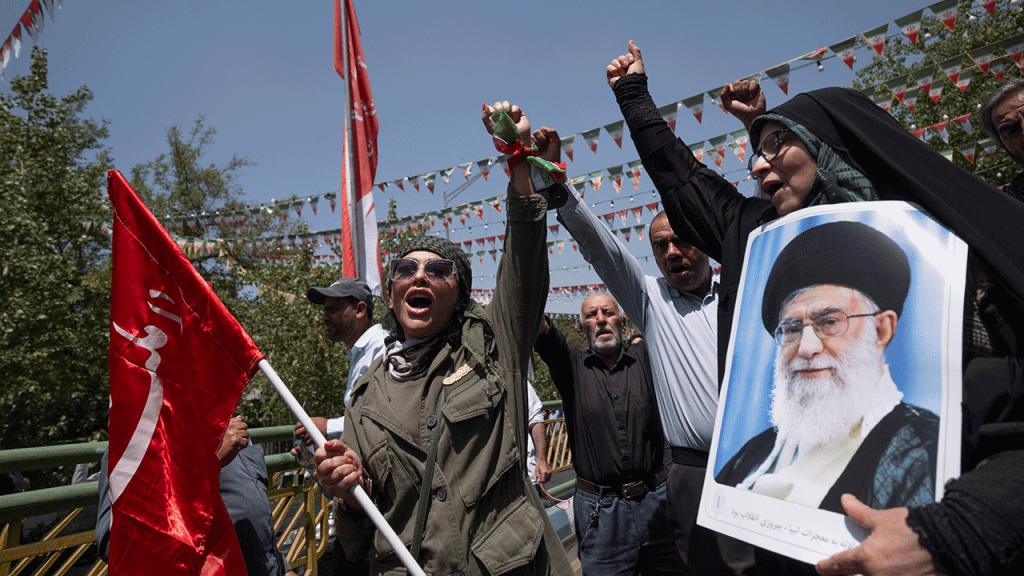
According to Nazari, the primary objective of the U.S.-Israeli attack was regime change. The unlawful operation, planned months in advance and preceded by internal unrest and media manipulation, was executed early last week. Its timing—amid diplomatic engagement and deception—exposed the unreliability of the United States at regional and international levels.
Nazari argues that the U.S. miscalculated, losing remaining credibility globally, while strengthening Iranian national unity. Iran responded swiftly with precision missile strikes against U.S. military bases across Qatar, Bahrain, UAE, Kuwait, Iraq, Saudi Arabia, Jordan, and in Tel Aviv and Haifa, demonstrating Tehran’s capability to counter threats without yielding on nuclear demands or strategic depth. These strikes were not only military retaliation but also part of a broader strategy including deterrence, redefining regional order, influencing global energy markets, and demonstrating advanced military technology.
The analysis warns that U.S. military power, despite being formidable, may falter against a determined, cohesive Iranian nation—drawing parallels to U.S. failures in Vietnam and Afghanistan. Nazari concludes that U.S. attempts at regime change in Iran have failed and the ongoing regional war is effectively a pre-lost campaign for Washington. Analysts expect Iran to dictate the pace and outcome of the conflict.
Historical precedent shows that wars initiated under the guise of “preemptive strikes” are rarely concluded on the aggressor’s terms. U.S. actions represent a blatant violation of international law, risking regional stability. Iran’s strategic position, including energy routes, critical straits, and security networks, means that any military adventurism affects the broader region and global markets.
Iran’s response, including coordinated drone and missile strikes, has underscored its capability to conduct asymmetric warfare effectively. Decades of investment in both conventional and asymmetric military capacities, combined with trained personnel and national resolve, give Tehran significant leverage. Public support, reinforced under new leadership with Ayatollah Mojtaba Khamenei at the helm, ensures high morale and strategic cohesion.
Nazari’s assessment concludes that Iran today is better prepared than in past decades, combining experience, strategic depth, and national will to confront the United States.
International Desk | DID News Agency