UN Report: Urban Women in Afghanistan Face Widening Gender Inequality
DID Press: A new report by UN-Habitat reveals that rapid urbanization in Afghanistan has not reduced gender disparities; instead, informal urban settlements show a dramatic increase in inequality.
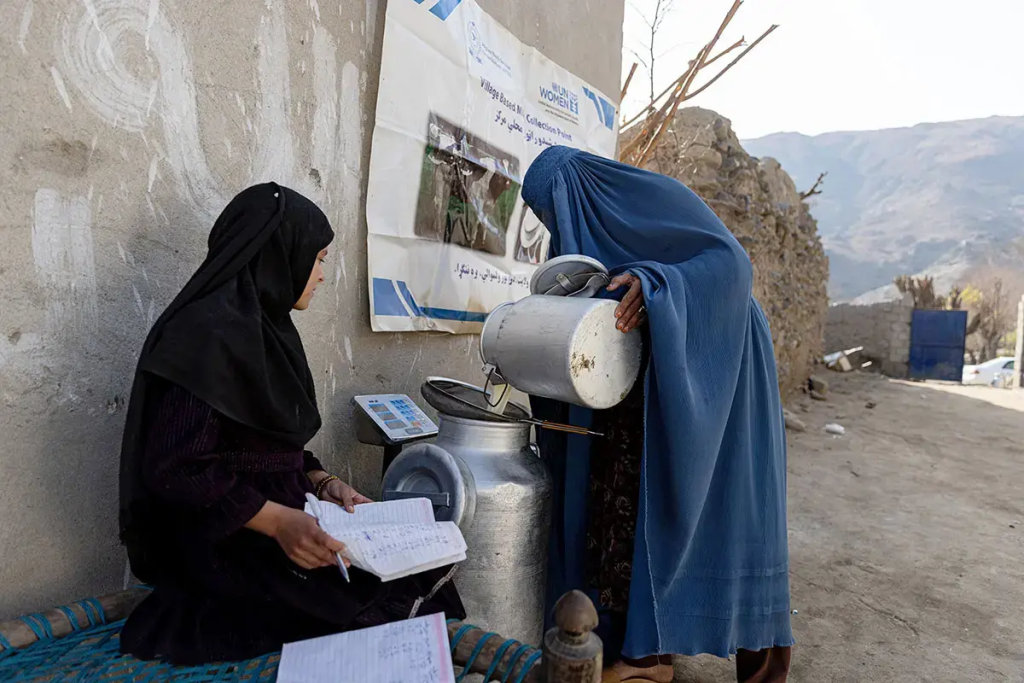
Based on data collected between 2023 and 2025 from cities including Kabul, Herat, Jalalabad, Kandahar, and Nangarhar, the report shows that women and girls in urban and peri-urban areas face growing restrictions on education, employment, mobility, and social participation.
Under the current Taliban administration, many traditional pathways for women’s security, dignity, and empowerment—including formal education and public engagement—have been eroded.
In informal settlements, these restrictions are compounded by insecure land and housing tenure, limited access to water and sanitation services, unsafe public spaces, and reduced livelihood opportunities, intensifying gender gaps.
The findings align with assessments by UN Women, which highlight the ongoing pressures on Afghan women. The report identifies 10 key areas of widening gender disparities and stresses the urgent need for targeted interventions to prevent further social inequality and preserve women’s role in urban development.