Afghanistan Records 467 Mine Casualties in 2025
DID Press: According to data from the Mine Action Coordination and Integration Directorate (DMAC) and the International Committee of the Red Cross (ICRC), contamination from landmines and unexploded ordnance remains a serious humanitarian crisis in Afghanistan. In 2025, a total of 217 incidents were recorded nationwide, resulting in 92 deaths and 375 injuries.
Eastern Afghanistan has suffered the highest toll, with 67 incidents—roughly one-third of all cases. The western regions reported 48 incidents, the south 34, while the central and southeastern areas recorded 23 and 22 incidents, respectively. Northern and northeastern provinces saw 14 and 9 incidents, showing relatively lower numbers but persistent risks.
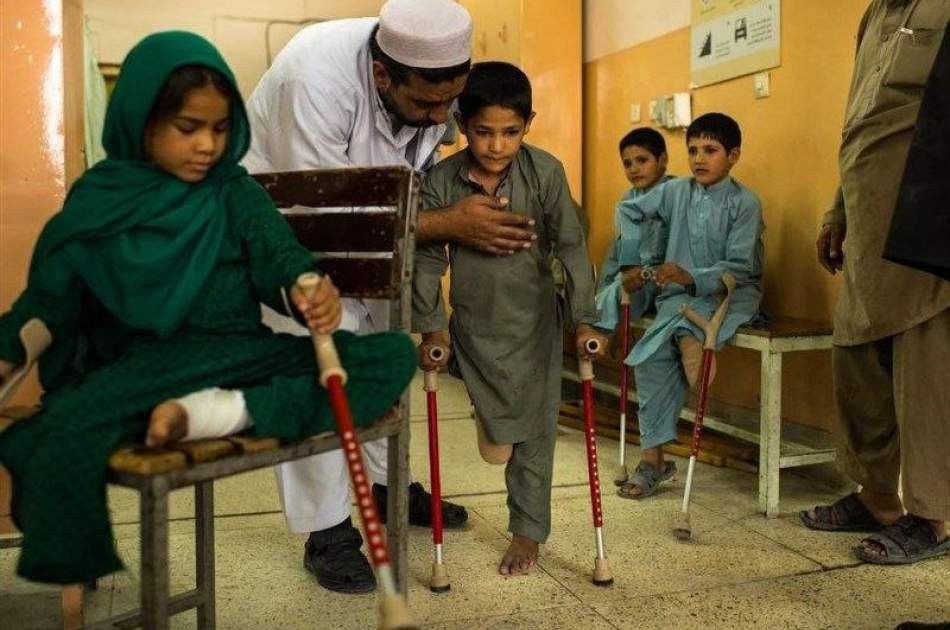
Children remain the most affected group, accounting for 309 casualties (66% of the total). Many children are injured while playing, collecting scrap, or inadvertently coming into contact with explosive remnants. The ratio of injuries to deaths suggests that for every fatality, approximately four others are wounded, many of whom require long-term care and rehabilitation due to lasting disabilities.
In response, the ICRC provided services to over 6,750 victims of mines and unexploded ordnance in 2025 through its orthopedic centers. Kabul had the highest number of patients at 2,221, followed by Jalalabad (1,328), Mazar-i-Sharif (924), and Herat (871). Other centers such as Faizabad (457) and Gulbahar (265) also reported significant numbers. Male patients dominated the figures with 6,225 men and boys, while 359 women and girls received services.
Between 2023 and 2025, the ICRC, in coordination with the Afghan Red Crescent Society (ARCS), trained 120 volunteers to implement Mine Risk Awareness and Safe Behavior (RASB) programs in five contaminated regions. In 2025 alone, over 210,500 people—including 130,742 children, 41,851 men, and 37,990 women—participated in awareness programs across six affected regions.
Experts warn that despite these efforts, the scale of contamination and the high number of casualties—particularly among children—highlight the urgent need to expand mine awareness programs, accelerate clearance operations, and strengthen medical and rehabilitation services in the country.
Meanwhile, the UN Assistance Mission in Afghanistan (UNAMA) issued a statement on International Mine Awareness Day, noting that Afghanistan ranks third globally for casualties caused by explosive remnants of war. Approximately 50 people lose their lives each month, with nearly 80% of victims being children. UNAMA also reported that mine action programs in Afghanistan face severe funding shortages, threatening progress in clearing contaminated areas.