Taliban Legitimacy Crisis and Opposition Disunity
DID Press: Opposition forces to the Taliban are confronting a challenge different in nature but equally serious: the absence of unity. Despite sharing opposition to Taliban rule, these groups hold significant disagreements over Afghanistan’s future political order. These differences extend beyond politics, rooted in divergent views on national identity, power structures, and the country’s development path.
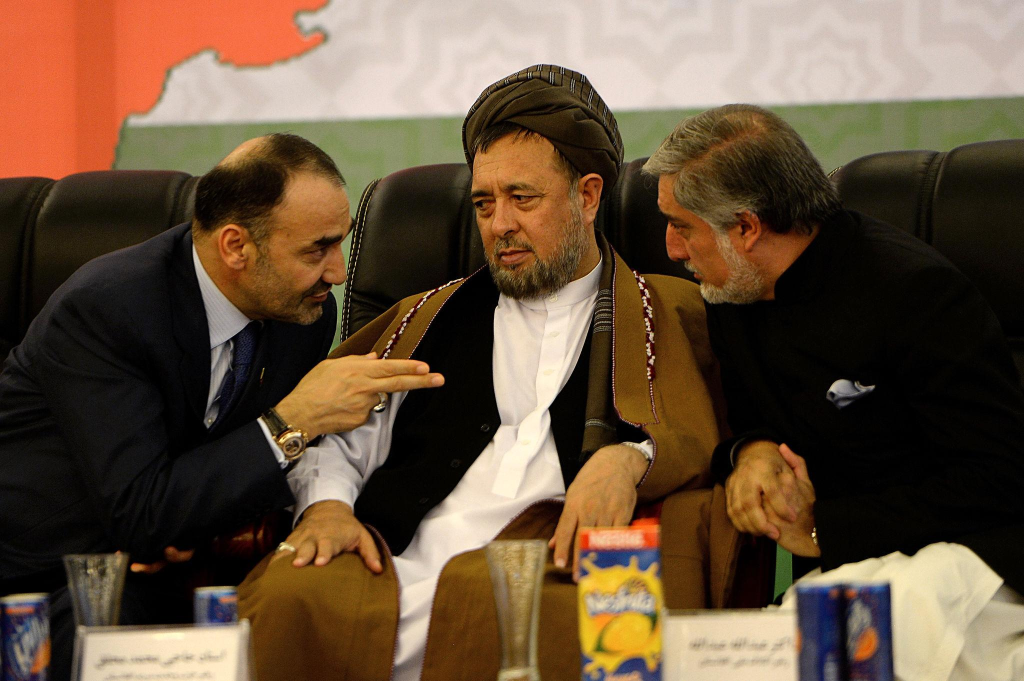
Developments in Afghanistan in recent years indicate that the country’s central problem is not merely the presence of the Taliban but a profound political vacuum affecting both the ruling structure and its opponents. On one side, the Taliban face serious challenges regarding domestic acceptance and international legitimacy; on the other, opposition movements have yet to establish an effective and unified political alternative. This situation has left Afghanistan in a state of political suspension—one lacking both durable stability and a clear path toward change.
After returning to power, the Taliban attempted to present themselves as a consolidated governing system. However, the absence of political inclusivity, extensive social restrictions—particularly on women—and persistent economic difficulties have created a severe legitimacy crisis. In today’s world, legitimacy is not derived solely from territorial control; it requires social acceptance, effective governance, and constructive engagement with the international community. The Taliban face limitations in all three areas, reducing their prospects of becoming a widely accepted governing authority.
At the same time, centralized decision-making structures and the lack of accountable institutions have widened the gap between the government and society. Under such conditions, citizens often feel excluded from shaping their political future, gradually eroding public trust. Although the Taliban have attempted to establish a form of security order, such stability—without genuine social backing and participation—remains fragile in the long term.
On the other side, opposition groups face fragmentation and internal divisions. Despite their shared opposition to Taliban rule, they differ sharply in defining Afghanistan’s political future. These disagreements stem from contrasting interpretations of identity, governance, and development priorities. The result is a collection of dispersed actors functioning less as a unified front and more as a network of separate groups.
A key factor behind this fragmentation is the absence of a shared narrative about Afghanistan’s past and future. Each group interprets historical experience differently and proposes its own vision for the country’s future. While diversity of views can be beneficial in a democratic context, under current conditions it has become an obstacle to forming an effective coalition. In essence, before consensus can emerge about building the future, there is still no agreement on interpreting the past.
Another contributing factor is internal rivalry and fear of exclusion from future power structures. In an environment shaped by historical mistrust, political actors prioritize protecting their own positions. This concern undermines mutual confidence and limits cooperation to symbolic or short-term initiatives. As a result, many efforts toward unity remain confined to meetings and statements rather than evolving into sustained collaboration.
Geographic distance and life in exile have also affected opposition performance. Living in the diaspora provides access to resources and international opportunities, but it can also create distance from on-the-ground realities and the practical needs of people inside the country. In such circumstances, there is a risk of developing abstract political discourse disconnected from societal demands.
Despite these challenges, opportunities for change remain. The gradual erosion of Taliban legitimacy and governance effectiveness could create conditions for the emergence of a viable political alternative—but only if opposition forces overcome fragmentation and move toward establishing a shared framework. Such a framework must be built on core political principles, including fundamental citizen rights, political participation, and respect for social diversity.
Ultimately, Afghanistan’s future depends on the capacity of both sides to adapt. The Taliban must reform governance structures and expand participation to achieve lasting stability, while opposition forces must achieve cohesion and present a credible alternative. Otherwise, the country is likely to remain trapped in persistent instability. A third path remains possible: if both sides demonstrate willingness to change and engage in negotiations, overcoming this historic deadlock could still be within reach.
By Sayed Baqer Waezi – DID News Agency