Mohaqiq’s Remarks on Durand Line: Pragmatism vs National Sensitivities
DID Press: Recent comments by Muhammad Mohaqiq on accepting the Durand Line as an internationally recognized reality have revived one of the most sensitive and long-standing issues in Afghanistan’s political discourse.
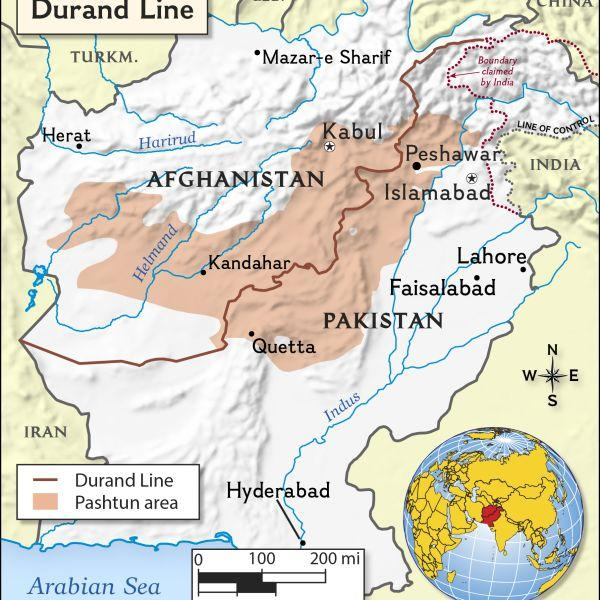
From a realist political perspective, Mohaqiq’s argument is grounded in the acceptance of the existing international order. By pointing to the United Nations’ recognition and the position of most countries, he suggests that continuing the dispute without sufficient leverage may impose additional costs on Afghanistan. His reference to Pakistan’s military strength, including its nuclear capability, reflects a strategic reading of regional power asymmetry and the limits facing Afghanistan in renegotiating territorial issues.
However, this perspective faces a major challenge: public perception. For many Afghans, the Durand Line is not merely a border dispute but a symbol deeply tied to historical memory, identity, and contested sovereignty. As a result, formal acceptance of the line is widely seen as politically and emotionally sensitive, which explains why successive Afghan governments have avoided official recognition despite extensive diplomatic engagement.
Mohaqiq’s remarks therefore highlight a growing divide between segments of the political elite and broader public sentiment. While some political actors may prioritize practical considerations and external pressures, public opinion remains strongly attached to traditional and emotional narratives surrounding the issue. If not managed carefully, this gap could deepen mistrust between political leadership and society.
The position of the current authorities has further complicated the issue, as the Taliban also refuse to formally recognize the Durand Line, maintaining continuity with previous governments’ stance. This has left the issue unresolved despite periodic regional pressure, particularly from Pakistan.
At the regional level, the dispute continues to influence Afghanistan–Pakistan relations, where resolution could potentially unlock greater economic and security cooperation. Yet, any abrupt shift in position without domestic consensus risks internal instability.
Ultimately, Mohaqiq’s statement reopens a politically charged debate that has long been constrained by historical grievances and national sentiment. Its outcome, however, would depend on the emergence of a broader national dialogue capable of balancing historical sensitivities with geopolitical realities.
By Sulaiman Saber – DID News Agency