DID Press: On 21 April 2026, US President Donald Trump was reportedly forced to extend the ceasefire with Iran, a move described as more tactical retreat than strategic initiative. Notably, Iran neither dispatched a delegation to Islamabad nor requested an extension, signaling that it was not operating under external deadlines.
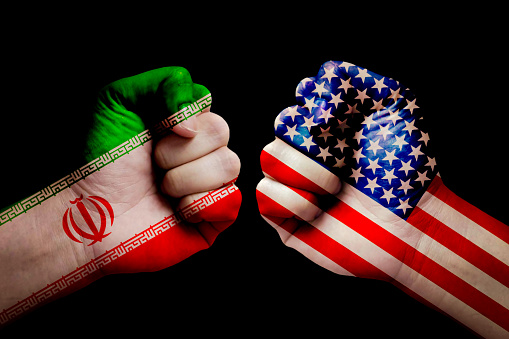
The report frames this development as a clear case of “game reversal” in international relations, where the party setting deadlines ultimately retreats, while the counterpart effectively shapes the process without formal concessions.
According to the analysis, three main factors contributed to Iran’s advantage in controlling the diplomatic tempo:
First, time and venue management. The United States sought a rapid agreement for political gain, while Iran deliberately slowed the process. By keeping negotiations internal and avoiding external delegation activity, Tehran centralized decision-making domestically and used time pressure as leverage.
Second, the failure of threat-based diplomacy. Washington combined military pressure with shifting political messages, ranging from claims of imminent agreement to renewed threats and ceasefire extensions. This inconsistency weakened U.S. credibility, while Iran maintained a firm position that negotiations would not take place under coercion. Tehran also emphasized its strategic leverage over key maritime routes such as the Strait of Hormuz.
Third, the field and strategic balance. Despite sanctions and maritime pressure, Iran maintained part of its oil exports and preserved deterrent capability through missile and drone forces. The geographic importance of the Strait of Hormuz further raised the cost of escalation for the United States, reinforcing Iran’s bargaining position.
The report concludes that this dynamic has produced a recurring pattern: U.S. deadlines, Iranian non-compliance, and eventual American extensions. It highlights a structural gap between U.S. military superiority and its limited ability to translate that into diplomatic outcomes.
Ultimately, the situation is described as a “managed confrontation”—neither full-scale war nor stable peace—where Iran retains temporal initiative, while the United States remains largely in a reactive position.
By Sayed Baqer Waezi | DID News Agency