Kabul Cleric Case Tests Taliban’s Promises on Accountability and Religious Rights
DID Press: An incident in Kabul’s 18th police district involving alleged disrespectful treatment of Shiite cleric Hujjat-ul-Islam Hossain-Dad Sharifi by officers of the Taliban’s Ministry for the Promotion of Virtue and Prevention of Vice has reignited debate over religious rights and legal equality in Afghanistan.
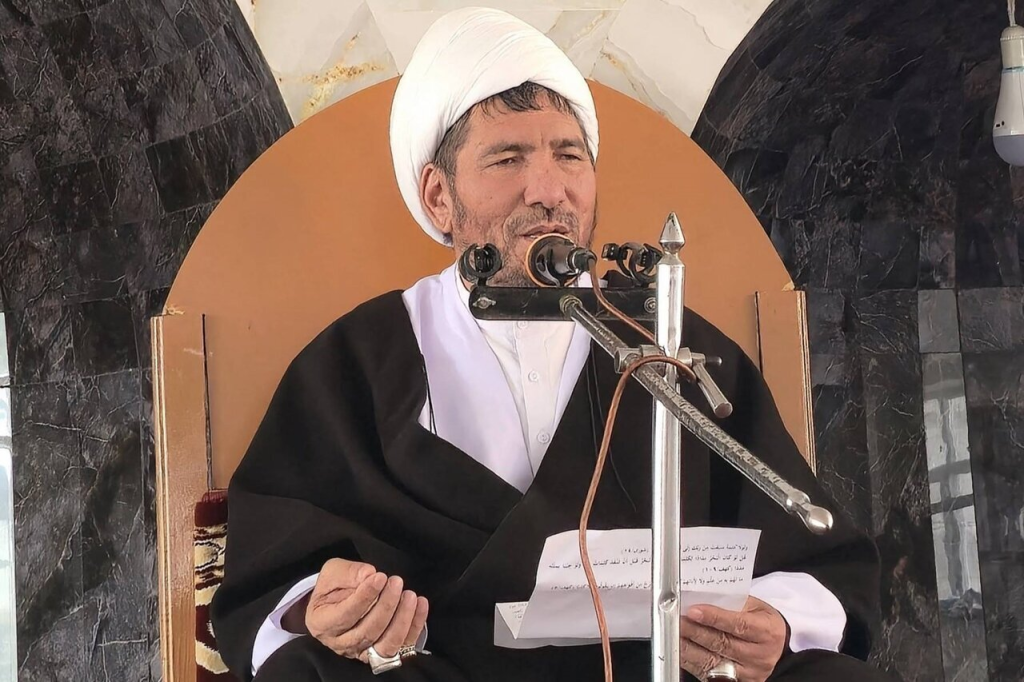
The case, which has drawn a formal reaction from the Shiite Commission of Afghanistan, is being viewed by observers as a critical test of the Taliban authorities’ stated commitment to justice, accountability, and protection of religious diversity.
According to reports, the cleric was allegedly mistreated during an intervention linked to a wedding ceremony, raising concerns about what critics describe as an expanding gap between official statements on inclusivity and the practices of enforcement bodies on the ground.
Taliban officials have reportedly pledged to investigate the incident and share findings with community representatives. However, analysts note that past cases of similar complaints have often lacked transparent outcomes, fueling skepticism about whether accountability measures will be implemented.
The incident has intensified broader concerns over religious pluralism in Afghanistan, particularly regarding the role of clerical figures who historically have acted as mediators between communities and governing structures.
Observers warn that continued tensions between enforcement institutions and religious communities could deepen social fragmentation and undermine stability, particularly if grievances remain unresolved or are perceived as systematically ignored.
The case is now seen as a broader indicator of how governance structures in Afghanistan manage internal diversity and respond to allegations of abuse of authority.
By Ehsanullah Samim | DID News Agency