Taliban Leader Orders Clerics to Explain His Decrees to the Public
DID Press: Hibatullah Akhundzada has called on religious scholars in Afghanistan to actively explain and promote Taliban-issued decrees and laws among the public, while emphasizing greater religious unity and ideological coordination within the group.
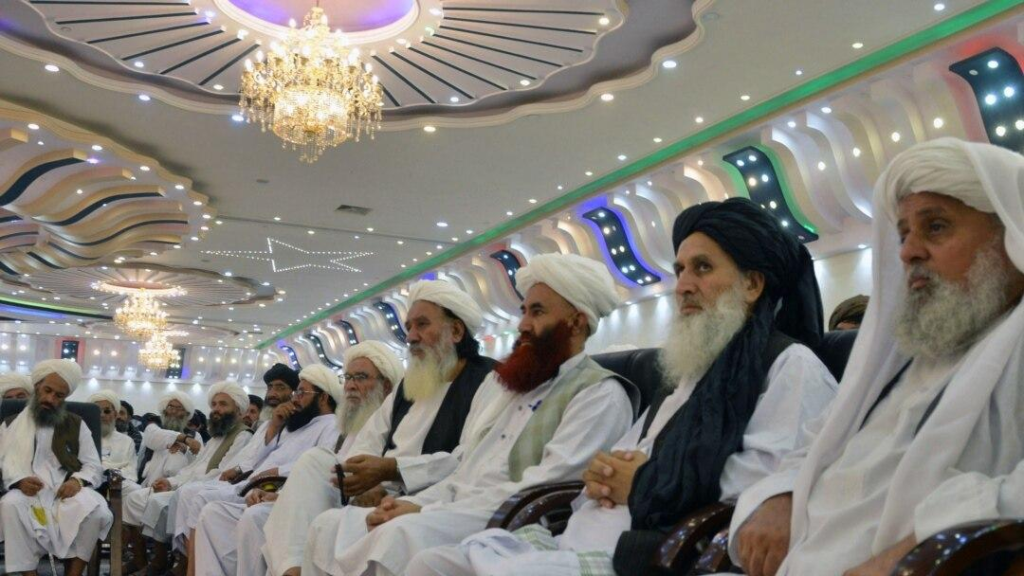
During a meeting with members of the ulema councils from Parwan and Kapisa provinces, Akhundzada urged clerics to clarify the importance of directives issued by the Taliban leadership and play a broader role in shaping public religious awareness.
The meeting was also attended by Amir Khan Muttaqi and several Taliban officials and religious figures.
According to Taliban statements, Akhundzada praised the activities of religious councils and described the current situation as an “important opportunity” for scholars to expand their role in guiding society and addressing religious concerns.
He stressed that unity among clerics would strengthen unity within the Muslim community and encouraged the organization of more religious and jurisprudential gatherings, saying such meetings help clarify religious truth and strengthen solidarity among scholars.
The Taliban leader also referred to clerics as the “heirs of the prophets” and described religious knowledge as a “divine trust.” He stated that religious scholars throughout history had defended Islam “through argument and the sword” and said they continue to bear responsibility for explaining Islamic law to society.
Akhundzada further urged clerics to cooperate with the Taliban’s Ministry of Information and Culture in documenting the group’s wartime history, including recording accounts of Taliban fighters killed during decades of conflict and contributing to publications related to what the group describes as “jihad.”
He emphasized preserving the memory of Taliban casualties through memorial plaques, documentation of burial sites, and historical narratives so that “future generations do not forget their history.”
The Taliban government continues to face widespread international criticism and accusations from human rights organizations over restrictions on civil liberties, women’s rights, and political freedoms in Afghanistan.