Drone Warfare Redefines Modern Conflict, Eroding Superpower Battlefield Dominance
DID Press: A new analysis by The Economist argues that the rapid spread of drones, advanced sensors, and surveillance technologies is fundamentally reshaping modern warfare, limiting the ability of major military powers to secure quick victories while enabling weaker actors to impose significant costs.
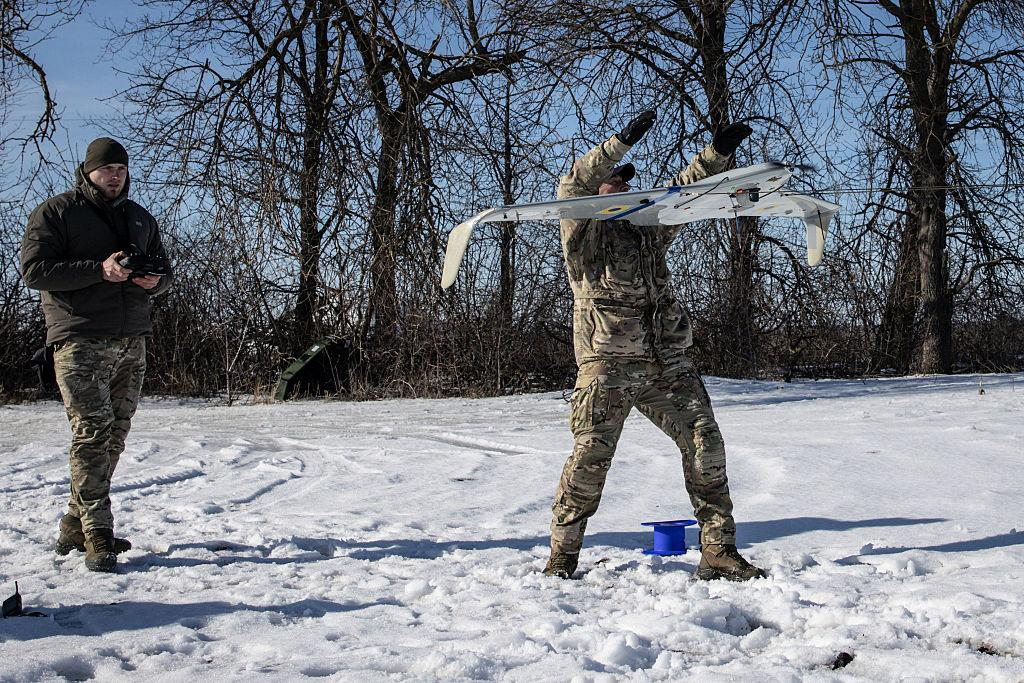
The report says the war in Ukraine has become the clearest example of this transformation. Despite its large military and advanced equipment, Russia has been unable to achieve a rapid breakthrough. Extensive drone networks, satellites, and reconnaissance systems have made troop movements highly visible, slowing offensive operations and increasing battlefield losses. Even logistics and medical evacuation increasingly rely on ground-based robotic systems.
According to the analysis, drone warfare that reached unprecedented scale in Ukraine is now expanding to other conflict zones. In Lebanon, Israeli forces face similar challenges, as low-cost but highly effective drones play an increasingly important role in shaping security dynamics.
The report also references the Iran–Israel confrontation, arguing that despite the United States and Israel’s advanced air capabilities, they have not succeeded in forcing Iran to alter its strategic positions. It highlights Iran’s continued missile and drone capabilities, as well as its potential to disrupt critical energy routes, as evidence of growing constraints on even the most powerful militaries.
In East Asia, a similar trend is emerging. Taiwan, the report notes, is investing heavily in drone and defense systems to raise the potential costs of any military action by China.
The overall conclusion is that modern warfare is entering a phase where defense is becoming cheaper and more effective, while offensive operations are increasingly complex and costly. As a result, conflicts once expected to end quickly are now more likely to turn into prolonged and attritional wars.