Ashura Flags Fly in Hearts Beyond the Reach of Restrictions
DID Press: Commemorations of Ashura across Afghanistan have once again highlighted tensions between deeply rooted religious traditions and restrictive political measures. Reports from Kabul, Herat and Kandahar indicate heightened security measures, widespread telecommunications disruptions, the removal of Ashura banners and religious symbols, and the detention of some religious organizers by Taliban authorities.
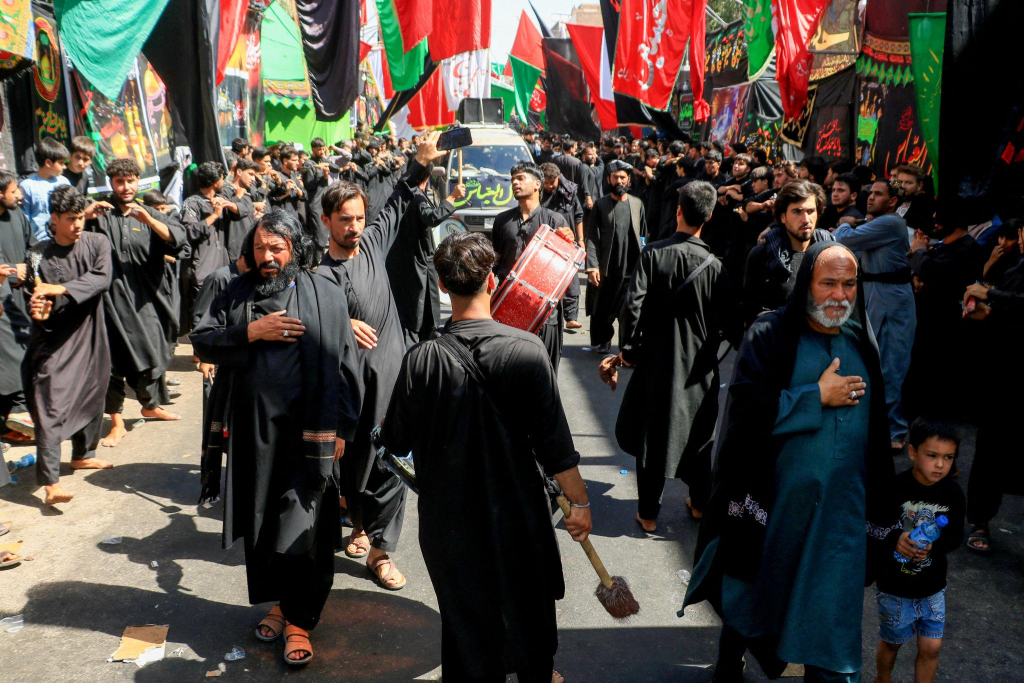
According to reports, the restrictions were implemented despite earlier understandings reached through official Muharram coordination committees and assurances provided by local authorities. Observers say the developments have exposed a widening gap between official commitments and actions on the ground.
Analysts argue that the restrictive approach toward Shiite religious observances reflects broader concerns about the social and mobilizing influence of Ashura. The suspension of telecommunications services during the commemorations has been viewed by critics as extending beyond security considerations, potentially limiting information-sharing and public documentation of events. Meanwhile, the removal of black banners and mourning symbols from public spaces has been interpreted as an attempt to reduce the visibility of an important religious and cultural tradition.
Despite these restrictions, large numbers of mourners participated in ceremonies at religious centers in Kabul, the Jebrail district of Herat, and the Fatemiya Grand Mosque in Kandahar. Participants said the continued observance of Ashura under challenging conditions demonstrated the resilience of religious communities and the enduring significance of the commemoration.
Observers note that Ashura has historically served as a unifying symbol for many communities across Afghanistan, transcending sectarian divisions and reflecting shared respect for the family of Prophet Muhammad. They argue that treating such commemorations primarily through a security lens risks deepening social and political divisions.
The article further contends that religious beliefs and collective memory cannot be diminished through administrative restrictions. While physical symbols may be removed from public spaces, supporters of the ceremonies maintain that the values associated with Ashura—justice, dignity, sacrifice and resistance to oppression—remain deeply rooted in the hearts and minds of believers.
By Sayed Baqer Waezi | DID News Agency