Pakistan’s Strategic Depth Doctrine Faces Growing Political Challenge
DID Press: Recent remarks by Maulana Fazlur Rehman, leader of Pakistan’s Jamiat Ulema-e-Islam (F), have highlighted what analysts describe as a significant shift in the country’s political and security landscape, with growing criticism of the military’s long-standing “strategic depth” doctrine toward Afghanistan.
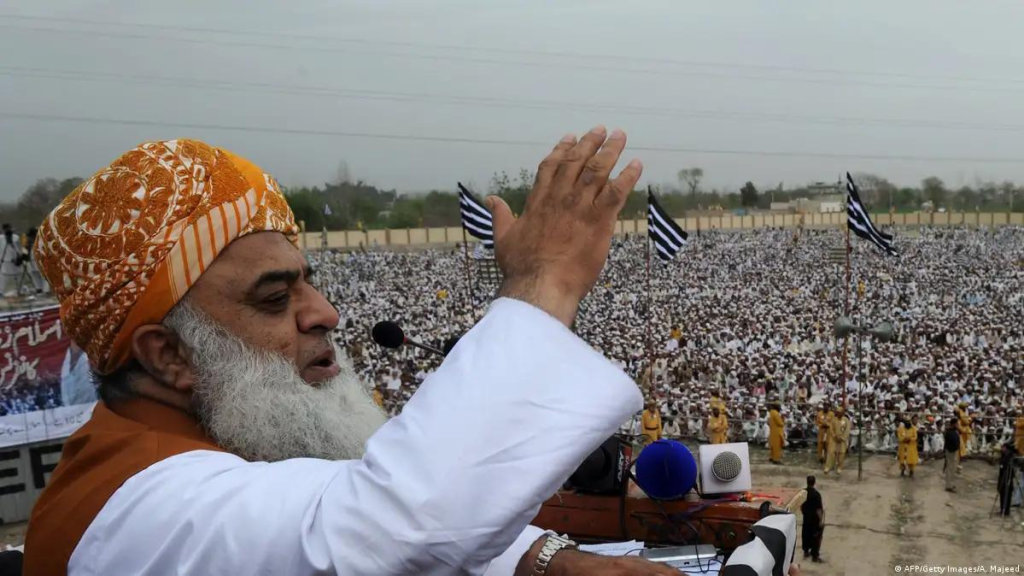
For decades, Pakistan’s security establishment viewed Afghanistan through the lens of strategic depth, seeking a friendly government in Kabul to strengthen its western flank and counterbalance India. Religious political parties, particularly Jamiat Ulema-e-Islam (F), were widely regarded as important political partners in that approach.
Analysts argue, however, that deteriorating relations between Islamabad and Kabul, persistent insecurity in Khyber Pakhtunkhwa and Balochistan, and continued instability along the Afghan border have raised questions about the effectiveness of the doctrine.
In his recent address at a lawyers’ convention in Islamabad, Fazlur Rehman criticized security policies and opposed proposals to mobilize civilian tribal militias, arguing that maintaining public security is the responsibility of state institutions rather than local communities.
The speech also reflected broader concerns over Pakistan’s foreign policy, including relations with China, Iran, and the United States. Analysts say security-driven policymaking has complicated diplomatic engagement and affected major economic initiatives, including Chinese investment projects.
According to political observers, the remarks may signal a broader reassessment within parts of Pakistan’s traditional religious establishment regarding the military’s role in national politics and security affairs. They argue that addressing the country’s security and governance challenges will require institutional reforms, stronger civilian governance, and a reassessment of long-standing strategic policies.
By Sayed Baqer Waezi | DID News Agency