DID Press: United States operates one of the world’s largest prison systems, housing nearly 1.9 million inmates in more than 5,000 correctional facilities, while facing growing challenges including staff shortages, prison overcrowding and rising violence.
According to the Bureau of Justice Statistics, approximately 1.8 to 1.9 million people are held in US prisons and detention facilities, placing the country among those with the world’s largest incarcerated populations.
The US correctional system includes more than 1,500 state prisons, about 122 federal prisons, over 3,000 local jails, as well as hundreds of juvenile detention centers, immigration detention facilities and privately operated prisons. The system is staffed by an estimated 400,000 to 450,000 correctional officers, alongside tens of thousands of administrative, medical and educational personnel.
Operating the system carries a substantial financial burden. Annual spending on state and federal prisons exceeds $80 billion, while total expenditures on the US criminal justice system—including policing, courts and probation—surpass $300 billion. The average annual cost of incarcerating one prisoner ranges from $40,000 to $60,000, exceeding $100,000 in some states, including California and Massachusetts.
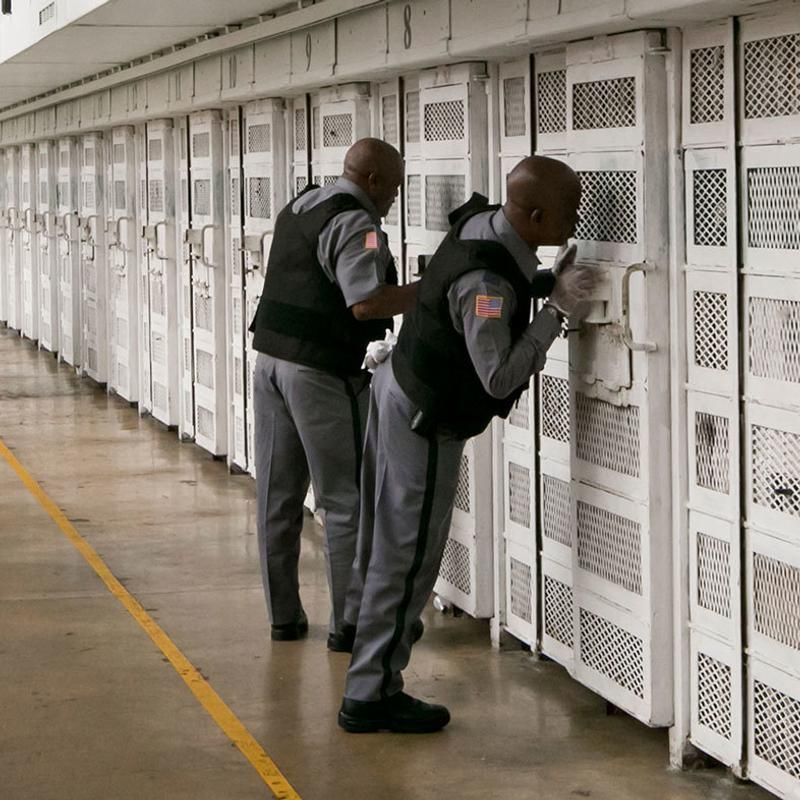
Correctional officers are responsible for maintaining security, supervising inmates, preventing escapes, conducting cell searches, escorting prisoners, monitoring visits and enforcing institutional rules. Their annual salaries generally range between $45,000 and $100,000, depending on location and experience.
Despite its extensive infrastructure, the US prison system continues to face significant challenges, including severe staffing shortages, mandatory overtime, employee burnout, overcrowding, inmate violence, assaults on prison staff, contraband smuggling, mental health issues, the widespread use of solitary confinement and high recidivism rates.
Criminal justice experts argue that an overreliance on incarceration, coupled with insufficient investment in education, addiction treatment, mental health care and rehabilitation programs, has contributed to repeat offending while increasing long-term public costs. As a result, criminal justice reform and expanded rehabilitation initiatives have become central issues in US policy debates.