Badakhshan Tensions Ease After Fateh Forces Lay Down Arms
DID Press: Local sources have confirmed that the days-long tensions between Juma Khan Fateh and the Taliban government in Badakhshan have ended, with Fateh expected to meet Qari Fasihuddin Fitr, the Taliban’s army chief, before traveling to Faizabad and then Kabul.
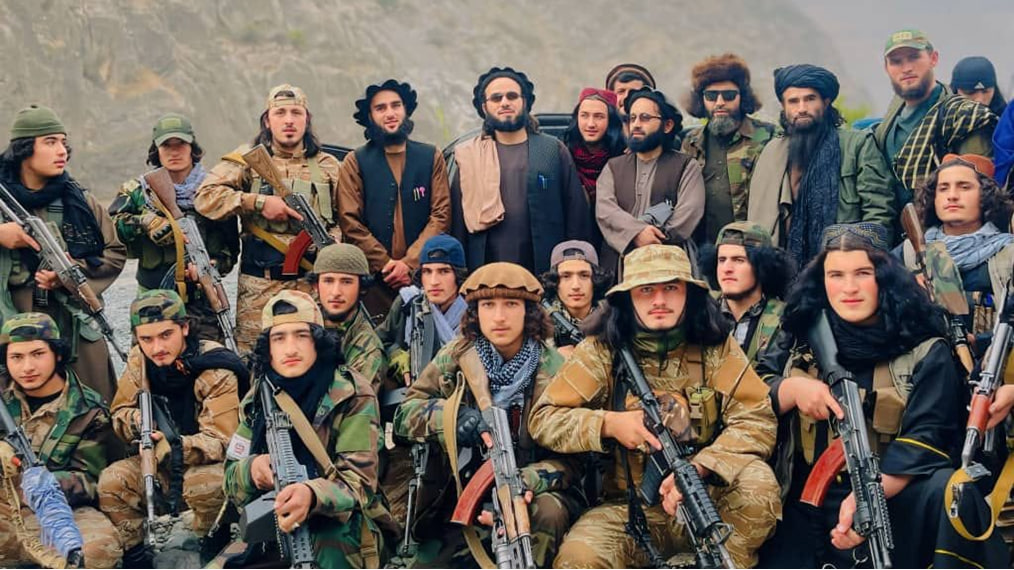
According to reliable sources, the days-long crisis in Badakhshan between Juma Khan Fateh, an influential Taliban commander in the Darwaz area, and the Taliban government has come to an end.
Local sources said forces under Fateh’s command have come down from their mountain positions and laid down their weapons. Fateh himself is expected to meet Qari Fasihuddin Fitr, chief of the Taliban army staff, today or tomorrow. The meeting will reportedly take place in Khogaz village and is aimed at reaching a final understanding to end the recent clashes.
Reports indicate that following the meeting, Fateh will travel to Faizabad, the provincial capital of Badakhshan, and then to Kabul. The development comes after several days of intense fighting between forces loyal to Fateh and Taliban special units along the Shighnan–Darwaz axis, raising concerns about a wider security crisis in northeastern Afghanistan.
According to local sources, the end of the tensions could pave the way for a relative restoration of stability in Badakhshan and reduce security pressures in the region.
Juma Khan Fateh’s conflict in Badakhshan, however, appears to have been driven more by personal rivalries and political and economic interests than by popular resistance or defense. Fateh had built a significant position over the years through control of gold mines and local power networks, and the recent confrontation appeared largely aimed at preserving those interests rather than opposing Taliban rule. Now that he has agreed to meet Qari Fasihuddin Fitr and subsequently travel to Kabul, it suggests that at least some of his political and economic demands and interests have been addressed, leaving little incentive for him to continue fighting Taliban forces.
For the Taliban, retaining Juma Khan Fateh as a non-Pashtun commander is also more likely to serve as a political and security tool than as evidence of genuine acceptance of ethnic diversity. The Taliban could portray his continued presence as a sign of the breadth of its organizational structure while also using his local influence to contain and suppress dissent among his fellow ethnic communities in Badakhshan. Such a situation suggests that Fateh’s continued role within the Taliban structure would be less a sign of independence than of his position as an actor serving the group’s broader objectives.