DID Press: The war involving Iran has disrupted Britain’s energy market, driving up gas and electricity prices and interrupting the country’s recent decline in inflation, according to an analysis by The Guardian. The renewed energy shock is increasing pressure on British households and creating tougher policy choices for the government and the Bank of England.
According to The Guardian, the economic consequences of the conflict have reached the UK directly, with a sharp increase in energy prices contributing to the first annual rise in inflation since March. Britain’s annual inflation rate rose from 2.6% to 2.9% in July, with higher gas and electricity prices and volatility in global energy markets cited as major factors.
British households also faced their largest summer increase in energy bills in four years in July, reversing progress toward the roughly 2% inflation rate that had been anticipated before the war began in late February.
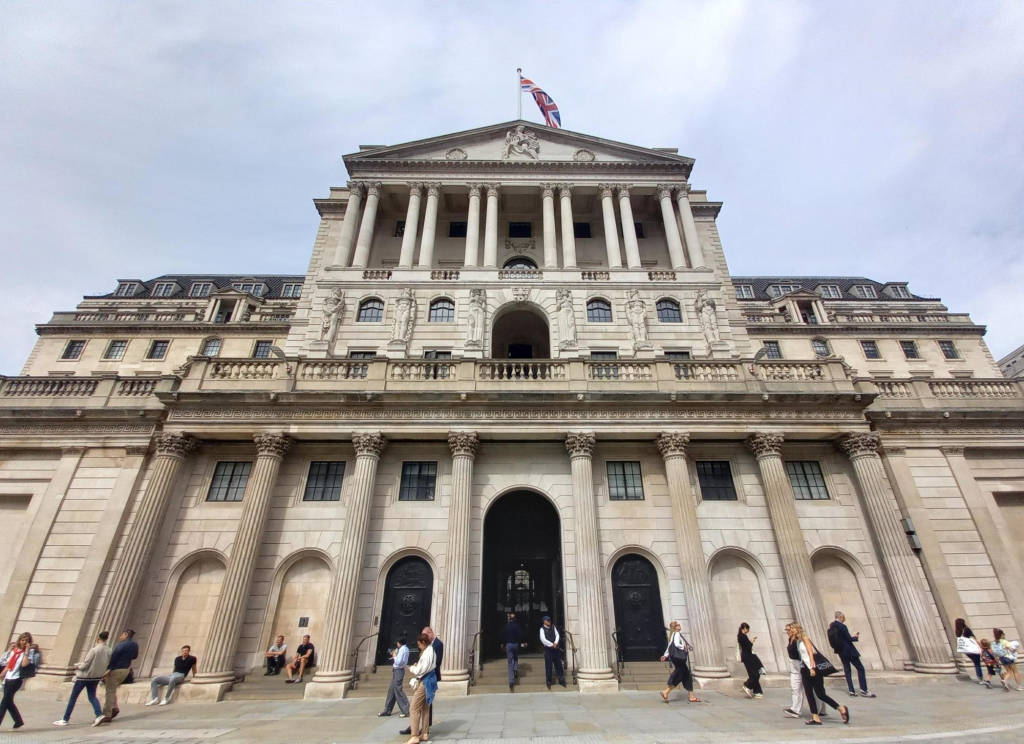
The latest developments have raised concerns at the Bank of England that higher energy costs could become embedded in broader inflation. If the pressure continues, expectations of another interest-rate increase as early as next month could intensify.
The Bank of England had previously warned that, under a scenario involving an escalation of the conflict, UK inflation could reach 4.5% in the first half of 2027.
Higher inflation and borrowing costs are also complicating the British government’s efforts to ease the cost-of-living burden. The government had pledged to reduce electricity-related taxes from October, with an estimated average annual saving of £45 per household. However, the energy shock caused by the conflict could undermine the impact of the measure.
The Guardian’s analysis concludes that the conflict involving Iran is now producing visible economic consequences in Britain, reversing some of the progress on inflation while leaving the government and central bank facing increasingly difficult choices over how to contain the rising cost of living.