Analysis: Why the Taliban Missed the Chance for Internal Peace in Afghanistan
DID Press: A political analysis argues that the ruling authorities in Taliban squandered a critical opportunity for national reconciliation after taking power in 2021, opting instead for centralized control that deepened political exclusion and long-term instability.
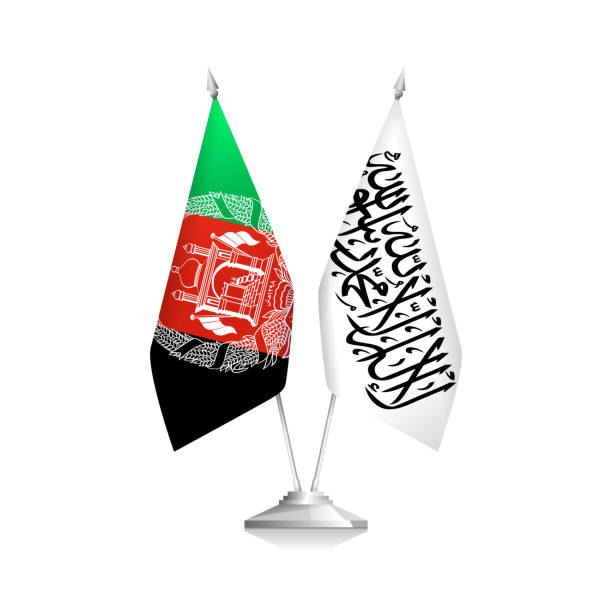
The commentary suggests that Afghanistan’s modern political history has been shaped by a fragile balance between central authority and local legitimacy. It claims that after the Taliban’s return to power in August 2021, there was an expectation they might pursue a more inclusive political settlement, learning from past conflicts. However, it argues that an insistence on monopolizing power and sidelining civil and political actors led to the erosion of that opportunity.
According to the analysis, the lack of an inclusive governance framework has left large segments of society—particularly political elites, civil society groups, women, and ethnic minorities—outside the political system. It warns that when institutional channels for participation are closed, dissent tends to shift toward informal and potentially destabilizing security spaces.
The piece highlights eastern provinces such as Kunar Province and Nuristan Province as strategic zones where local grievances, border tensions, and cross-border security pressures intersect, creating conditions that external actors could exploit.
It further argues that Pakistan has adjusted its approach from direct military pressure toward more indirect influence strategies, leveraging local dissatisfaction and fragmented political structures in border regions.
The analysis concludes that Afghanistan’s political exclusion has increased vulnerability to external interference and internal fragmentation. It warns that even without open armed rebellion, unresolved grievances and weakened governance structures could reshape the country’s internal balance of power over time.
By Ehsanullah Samim | DID News Agency