DID Press: The Wall Street Journal reported that Donald Trump’s so-called “Project Freedom” in the Strait of Hormuz failed to weaken Iran’s control over the vital maritime corridor, instead exposing the limits of Washington’s ability to reshape regional dynamics.
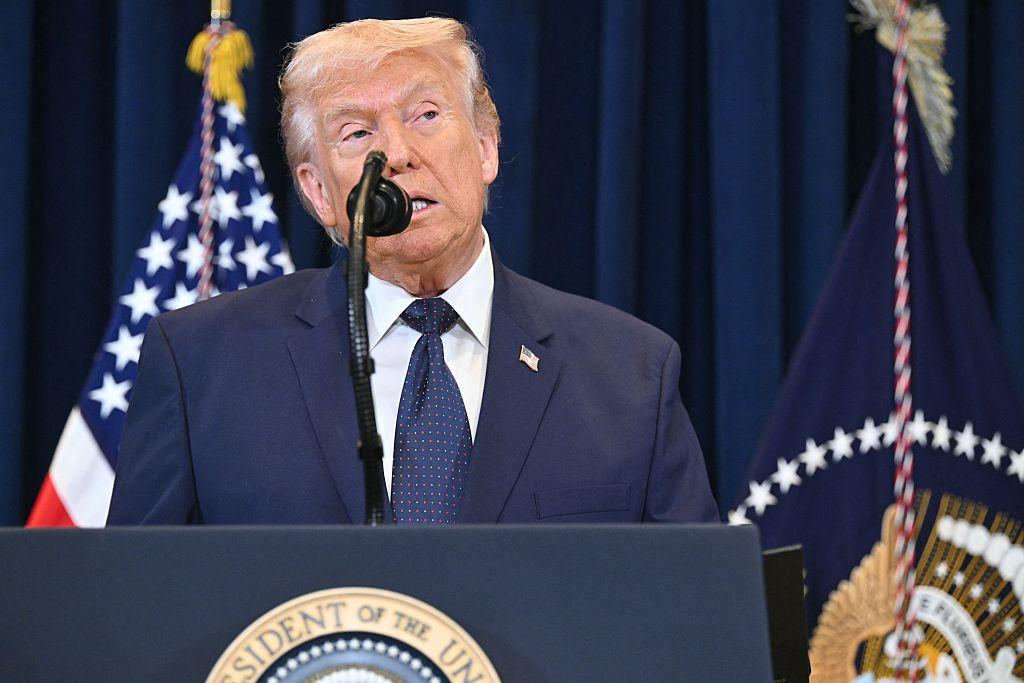
According to the report, the operation—launched to challenge Iran’s dominance over one of the world’s most critical energy chokepoints—faced significant constraints and was unable to alter strategic realities on the ground.
The newspaper noted that Trump aimed to pressure Tehran into concessions, but Iran responded with a mix of military tactics, including cruise missile launches, drone deployments, and fast-attack boats, undermining any perception of a decisive US success.
It added that commercial shipping has yet to return to normal levels, as vessels remain reluctant to transit the strait without clear security guarantees. Prior to the conflict, around 130 ships crossed the waterway daily, but traffic has since dropped sharply.
The report warned that any prolonged disruption or closure of the Strait of Hormuz could trigger what it described as the largest oil supply shock in history, with far-reaching consequences for global energy markets and the broader economy.
Despite applying intense military pressure, the United States has achieved limited results, the report said, noting that control over the strait depends not only on force but also on market confidence, insurance frameworks, and the stability of global shipping systems.
The Wall Street Journal concluded that Trump ordered a halt to the operation less than 48 hours after it began—an outcome interpreted as a clear indication of the strategic challenges facing Washington in the region.