Afghanistan Records Alarming Rise in Thalassemia Cases
DID Press: Taliban’s health authorities say more than 12,000 people have been diagnosed with thalassemia nationwide, with children accounting for the majority of cases amid worsening shortages in blood supplies and treatment resources.
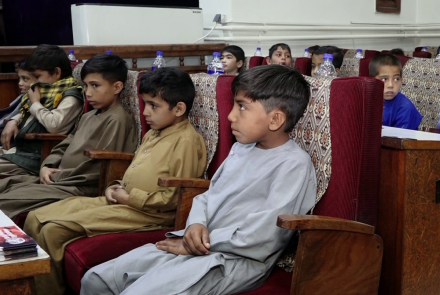
According to Ministry of Public Health (Afghanistan), at least 12,000 thalassemia patients have been officially registered across the country, including 6,873 women. Officials warned that the growing number of patients is placing severe pressure on hospitals and blood banks.
Niazgul Niazmend called on domestic and international organizations to increase support for blood donations and treatment programmes, stressing that regular blood transfusions remain the only lifeline for many patients.
The ministry said shortages in blood reserves have reached a critical level as donor numbers continue to decline.
The World Health Organization had previously warned that Afghanistan faces a severe blood shortage, with monthly national demand for tens of thousands of blood bags—particularly for thalassemia patients and pregnant women—remaining unmet.
Abdul Wali Haqqani said specialized treatment centres for thalassemia patients have been established in Kabul and several provinces, but acknowledged that existing facilities are unable to meet the rapidly increasing demand.
Thalassemia is a hereditary blood disorder that affects the body’s ability to produce healthy hemoglobin. Health experts say the disease remains widespread in Afghanistan due to high rates of cousin marriages, limited genetic screening programmes, and low public awareness.
Medical specialists warn that without a nationwide prevention and screening strategy, the number of patients is likely to continue rising in the coming years.