Beating of Shia Cleric Raises Fears Over Taliban Pressure on Minorities
DID Press: The reported assault on prominent Shia cleric Ustad Hussaindad Sharifi in Kabul’s Dasht-e-Barchi district is being viewed by analysts as more than an isolated disciplinary incident by local Taliban authorities. Observers say the episode reflects broader patterns in the Taliban’s approach toward Afghanistan’s religious and ethnic minorities.
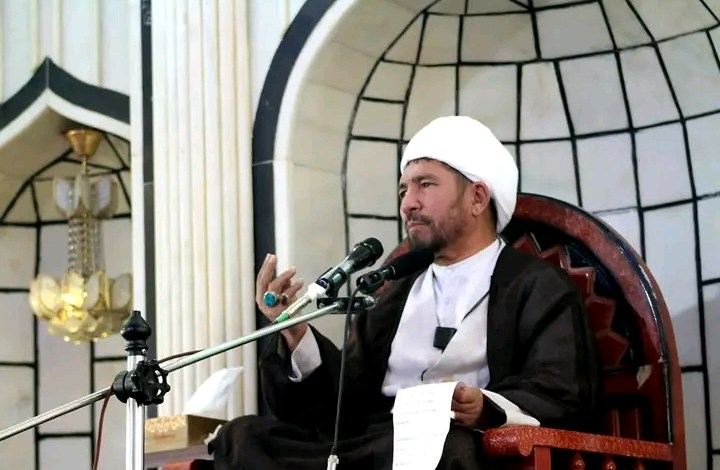
The incident reportedly occurred after the cleric officiated a marriage ceremony for a young couple prior to their wedding celebration. Critics argue the case symbolizes the gradual erosion of the Shia community’s independent religious and legal authority under the current political order.
Erosion of Shia Legal Autonomy
Before the collapse of the former republic, Afghanistan’s Shia Personal Status Law granted Shia citizens the right to manage civil matters—including marriage, divorce, and inheritance—according to Ja’fari jurisprudence.
Analysts say the public humiliation and physical mistreatment of a Shia cleric for conducting a religious marriage ceremony signals an unofficial but increasingly visible rollback of that legal recognition. When marriage documents issued by a Shia religious authority are reportedly dismissed by local officials, critics argue the legitimacy of the broader Shia legal framework is effectively being challenged.
Social Control and Religious Pressure
The detention of young couples in public spaces despite possessing marriage documentation has also raised concerns over expanding moral enforcement policies. Observers note that such measures appear particularly concentrated in areas like Dasht-e-Barchi, home to a large Hazara and Shia population.
According to analysts, targeting marriage practices and religious figures represents an attempt to weaken traditional community authority structures and reshape social behavior through intimidation and centralized religious control.
Concerns Over Religious Uniformity
The incident comes alongside other reports alleging pressure on Shia students and restrictions on non-Hanafi religious practices in educational institutions. Taken together, critics say these developments suggest a broader effort to reduce religious plurality and consolidate a single state-backed interpretation of Islamic law.
Such policies, analysts warn, risk deepening sectarian and ethnic tensions in a country historically shaped by religious diversity and coexistence.
Long-Term Social Implications
Observers caution that continued pressure on minority religious institutions could intensify social alienation and undermine community trust in governing structures. Rather than creating lasting conformity, they argue, coercive approaches may contribute to deeper resentment and long-term instability.
Human rights advocates have also pointed to such incidents as evidence contradicting Taliban claims of inclusive governance and equal treatment for all Afghan communities.
Conclusion
For many observers, the assault on Ustad Sharifi was not merely an attack on an individual cleric, but a symbolic challenge to the religious identity and legal traditions of Afghanistan’s Shia population. The incident has renewed concerns that the boundary between formal religious law and the discretionary power of local authorities is becoming increasingly blurred under the current system.
Analysts warn that if such trends continue, Afghanistan could face a further erosion of religious tolerance in a society long defined by its diverse Islamic traditions.
By Solaiman Saber – DID News Agency