UN: Religious Restrictions on Shiites and Minorities in Afghanistan Intensify
DID Press: United Nations Assistance Mission in Afghanistan (UNAMA) says that restrictions on religious freedom, women’s rights, and civil liberties in Afghanistan have increased during the first quarter of 2026, with Shiite communities facing renewed pressure in several provinces.
According to the report, Taliban representatives in at least eight provinces instructed Shiite communities to observe Eid al-Fitr based on the government’s official calendar rather than their own religious calendar. In one province, several Shiite clerics were reportedly arrested for opposing the directive.
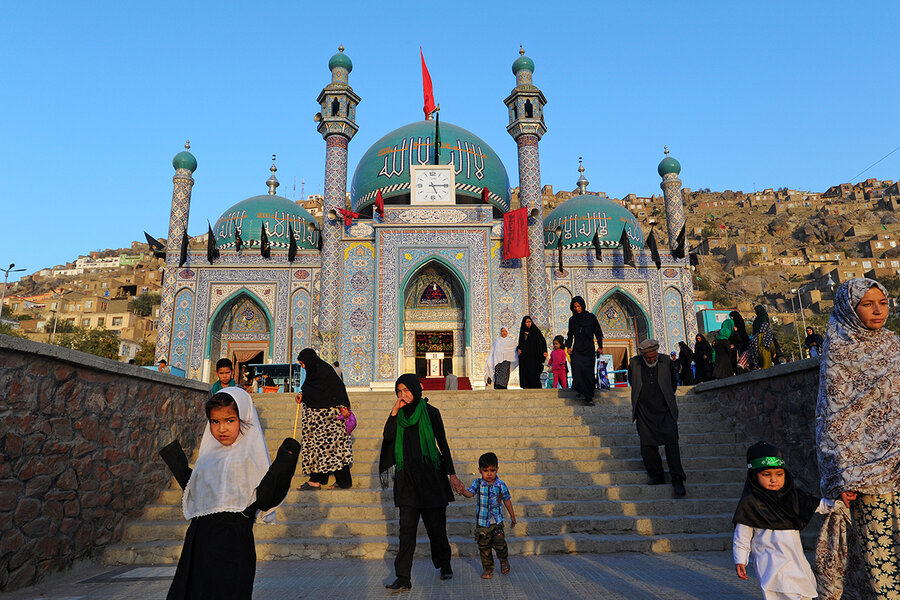
UNAMA also reported that in Kabul, women were barred from entering a shrine during Nowruz celebrations while men were allowed access. In Herat, morality police allegedly ordered a Shiite mosque to prevent women from attending evening prayers.
The report further highlights a broader tightening of restrictions on women. UNESCO data cited by UNAMA indicates that since 2021, 2.2 million Afghan girls have been deprived of secondary and higher education.
On corporal punishment, UNAMA documented at least 312 individuals, including 39 women, being publicly flogged between 1 January and 31 March 2026.
It also recorded 336 cases of arbitrary detention and 59 incidents of ill-treatment by morality enforcement officials, mostly linked to women’s dress codes, music, and men’s appearance.
The report quotes a Taliban Ministry for the Promotion of Virtue and Prevention of Vice spokesperson describing Valentine’s Day celebrations as “rooted in moral decay and imitation of foreign culture.”
UNAMA warned that a new Taliban criminal decree defines Sunni Islam as the dominant doctrine and labels other beliefs as “innovation,” raising further concerns over the rights and freedoms of religious minorities.