Taliban in Moscow: Seeking Legitimacy Through Defense Diplomacy
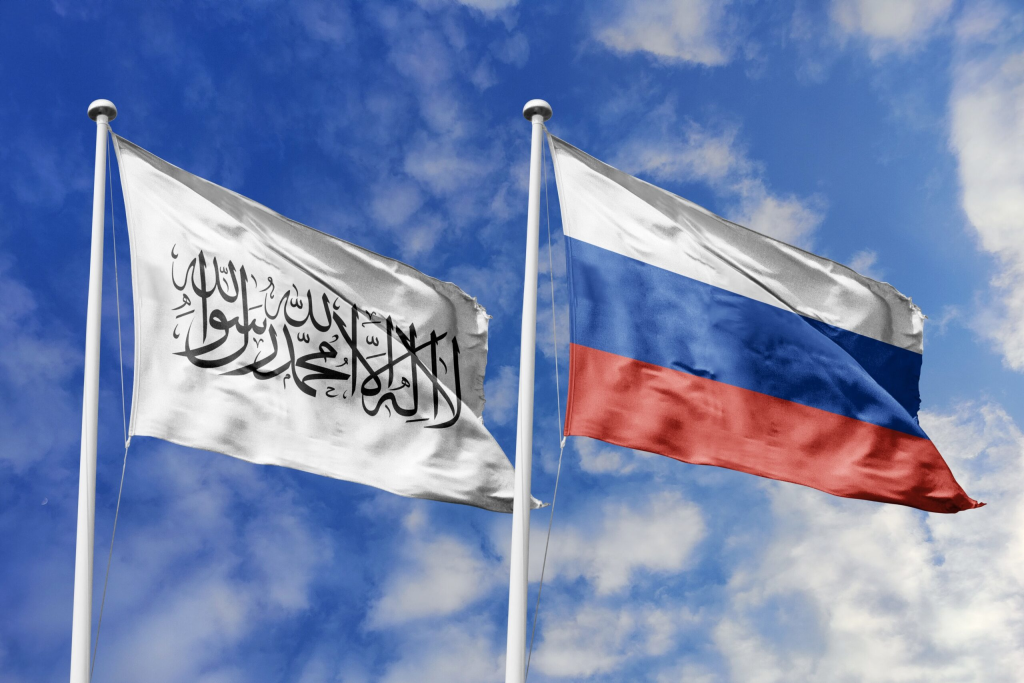
DID Press: The visit of Mohammad Yaqoob Mujahid, Acting Minister of Defense of the Taliban administration, to Moscow and the signing of a military-technical cooperation agreement with Russia represents one of the most significant diplomatic-security developments by the Taliban since returning to power in 2021. Held on the sidelines of a major international security forum in Moscow, the engagement carries broader political and strategic implications beyond a bilateral arrangement.
From Isolation to Pragmatic Engagement
Since regaining control of Afghanistan, the Taliban have faced persistent challenges in achieving international recognition. In response, the group has gradually pursued a strategy of engagement with regional and global powers to secure political and security legitimacy.
The presence of a Taliban defense minister at a high-level Russian security forum signals an incremental expansion of the group’s external relations, particularly in the defense and security domain.
Nature of the Military-Technical Agreement
Although the official details of the agreement remain limited, Taliban officials have emphasized that its focus lies on training, technical cooperation, and strengthening Afghanistan’s defensive capabilities. Mohammad Yaqoob Mujahid stated that the agreement is not directed against any third country and is intended solely to enhance Afghanistan’s security capacity.
For Russia, this cooperation aligns with its broader strategy of managing security risks in Central Asia, including extremism, narcotics trafficking, and regional instability along its southern frontier.
Russia’s Pragmatic Regional Strategy
In contrast to Western isolation policies, Moscow has adopted a pragmatic engagement approach toward the Taliban. Russia views structured dialogue and security cooperation as tools to maintain regional stability and prevent spillover threats into Central Asia.
This evolving relationship reflects a broader recalibration of Russia’s Afghanistan policy—from non-engagement to controlled, interest-based cooperation.
Signals to Regional Actors
The agreement also sends a broader signal to regional and international stakeholders. The Taliban have increasingly expressed willingness to diversify their foreign relations and engage multiple partners in security cooperation, positioning Afghanistan as a functional actor within regional geopolitics.
This approach may encourage both competition and engagement among regional powers seeking influence in Afghanistan.
Limits of Legitimacy Through Security Engagement
Despite expanding diplomatic and security ties, the Taliban continue to face significant barriers to international recognition. Key concerns remain regarding governance inclusivity, human rights, and restrictions on women and girls.
As a result, while defense diplomacy may strengthen the Taliban’s regional position, it is unlikely on its own to resolve the broader legitimacy deficit at the international level.
Conclusion: Gradual Reintegration into Regional Order
The Moscow visit and the accompanying agreement reflect a broader Taliban strategy to break out of political isolation and embed itself within regional security frameworks.
However, the long-term impact of this approach will depend on whether security-based engagement can evolve into broader political acceptance within the international system—an outcome that remains uncertain and contested.
By Mohsen Mowahed | DID News Agency