DID Press: The prospect of a possible agreement between Iran and the United States reflects a broader strategic recalibration in international power relations rather than a conventional diplomatic development, according to an analysis of recent geopolitical dynamics.
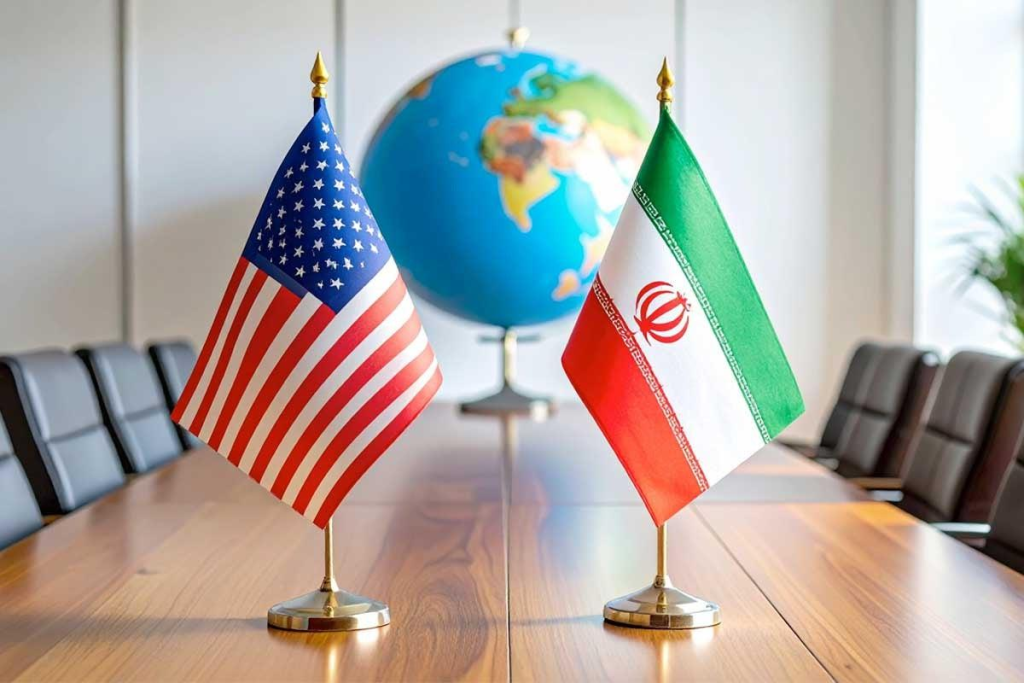
Over the past four decades, the United States has applied sustained political, economic, security, and military pressure on Iran in an effort to alter its strategic behavior. These measures, including extensive sanctions and diplomatic isolation, aimed at limiting Iran’s regional influence, have instead coincided with its consolidation as a significant regional actor.
The analysis places the current shift in a broader historical context, referencing past U.S. military engagements in Vietnam, Afghanistan, and Iraq as examples of the gap between military superiority and political outcomes. Despite overwhelming military capabilities, these interventions demonstrated the limits of force in achieving long-term strategic objectives.
In the case of Iran, analysts argue that its geographic scale, population size, military capacity, and regional networks make it one of the most complex security challenges for Washington. They also note that a direct and large-scale confrontation would likely impose costs exceeding those of previous conflicts in the region.
Within this framework, movement toward negotiations and a potential agreement is interpreted as a response to shifting cost-benefit calculations on both sides, driven by the recognition that prolonged confrontation is increasingly unsustainable.
Iran, meanwhile, is described as having absorbed significant economic pressure and human losses over decades of confrontation while maintaining its political structure and deterrence capacity, which its supporters view as evidence of strategic resilience.
Ultimately, the analysis suggests that any potential agreement should not be viewed as a clear victory or defeat for either side, but rather as an adjustment in strategic equilibrium shaped by accumulated constraints and changing regional realities.
It concludes that in contemporary geopolitics, national resilience, internal cohesion, deterrence capability, and diplomatic leverage collectively shape outcomes, enabling states to influence global and regional equations even under sustained pressure.
By Abdul Raouf Tawana | DID News Agency