Taliban’s Identity Dilemma Deepens Afghanistan’s Internal Divide
DID Press: A new analysis published by the Siyaq platform argues that one of the most significant challenges facing Afghanistan since the Taliban’s return to power is the growing contradiction between the movement’s diplomatic gains abroad and its restrictive domestic policies, a dynamic that is widening the gap between the rulers and society.
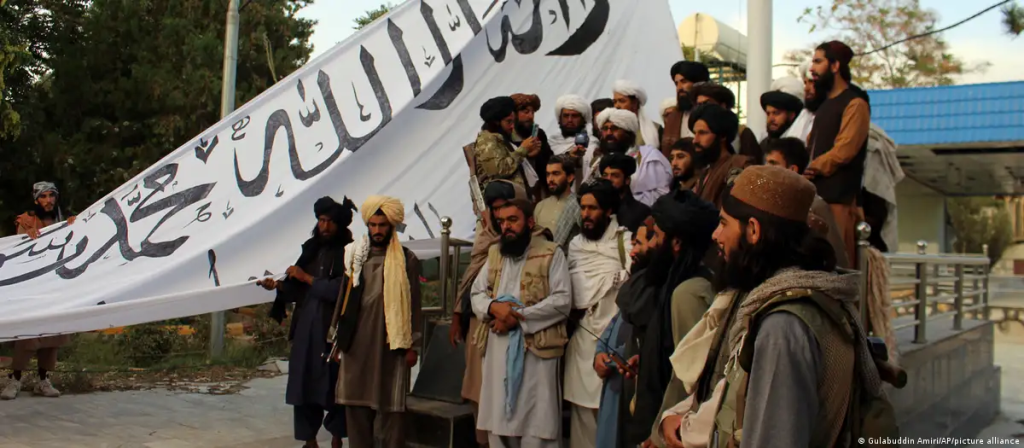
According to the analysis by political commentator Mehdi Abdollahi, the Taliban has pursued a pragmatic foreign policy aimed at strengthening ties with regional powers such as China and Russia and securing a stronger regional position. At home, however, the group continues to face questions over legitimacy, social dissatisfaction and tensions with civil society.
The report describes this contrast as one of the defining political paradoxes of contemporary Afghanistan: efforts to gain international acceptance while maintaining an increasingly centralized and exclusionary governing model domestically.
Religion and Ethnicity Intertwined
The analysis argues that the Taliban’s political framework combines religious fundamentalism with ethnic nationalism, creating a governance model that critics say favors a narrow interpretation of Afghan identity. References to both Islamic law and “Afghan traditions” have, according to the report, resulted in policies viewed by opponents as privileging a particular ethnic and cultural outlook while marginalizing alternative social and religious perspectives.
The article points to administrative changes in several provinces, disputes involving nomadic communities, and demographic concerns related to population resettlement programs as examples cited by critics of the current administration.
Women’s Rights and Social Control
The report further contends that restrictions on women—including limits on education, employment and public participation—have become a central element of the Taliban’s governance strategy. According to the analysis, such measures function not only as cultural policies but also as mechanisms of social and political control.
Recent incidents involving the detention of women and public reactions in several cities are highlighted as evidence of growing tensions between the Taliban’s interpretation of social norms and the realities of urban Afghan society.
Diplomatic Progress, Domestic Challenges
The Siyaq analysis concludes that the Taliban’s expanding regional engagement has not been matched by broader political inclusion at home. It warns that in a country characterized by significant ethnic, cultural and religious diversity, reliance on a single interpretation of national and religious identity could deepen social fragmentation and complicate long-term state-building efforts.
The report argues that achieving lasting stability will require balancing Afghanistan’s ethnic diversity with its religious plurality, warning that continued exclusionary policies risk prolonging internal tensions and political uncertainty.