DID Press: China has released a new white paper outlining its vision for global governance reform, presenting both a critique of existing international structures and a framework for a more equitable and multipolar world order. The document underscores Beijing’s ambition to move beyond the role of a major power and position itself as a key architect of future global governance.
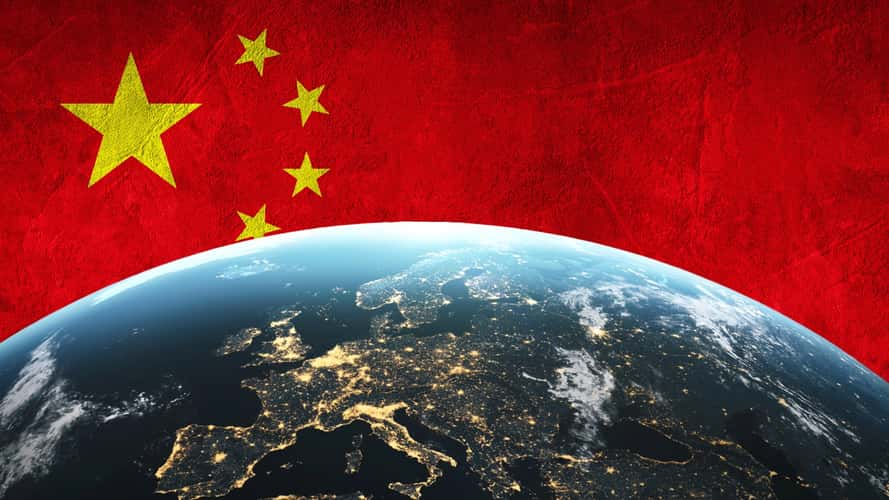
Published on June 17, 2026, by the Information Office of China’s State Council, the white paper titled “A Fairer and More Equitable Global Governance System” adopts a dual approach. It criticizes what it describes as Western hegemony, unilateralism, trade and technology conflicts, and shortcomings in managing global crises, while proposing gradual reforms centered on multilateralism, stability, and international cooperation.
The document emerges at a time when the international system is facing mounting geopolitical competition, weakened multilateral institutions, and a series of complex global challenges. Beijing argues that crises ranging from Venezuela and persistent tensions in West Asia to the war in Ukraine highlight the limitations of Western-led security frameworks and reinforce the need for a shared future among nations.
Rather than seeking to replace the existing international system, China states that it aims to reform and strengthen it through mechanisms rooted in the principles of the United Nations Charter, the UN system, and the 2030 Sustainable Development Agenda. The white paper also highlights initiatives such as the Belt and Road Initiative, the Asian Infrastructure Investment Bank and the New Development Bank as examples of efforts to expand development cooperation and address structural imbalances in institutions such as the World Bank and the International Monetary Fund.
In trade and economic governance, Beijing advocates greater participation in regional and global frameworks, including the Comprehensive and Progressive Agreement for Trans-Pacific Partnership and digital economy agreements, while challenging what it views as unequal economic arrangements dominated by advanced Western economies.
Analysts note that the timing of the white paper is significant, as China seeks to present itself as a champion of dialogue, collective security and development at a moment when many countries in the Global South are increasingly dissatisfied with existing power structures and the management of international crises.
However, observers also point to a gap between China’s ambitions and its ability to implement systemic reforms. New institutions promoted by Beijing, including the International Organization for Mediation, remain relatively new and face questions regarding effectiveness, legitimacy and enforcement capacity. Deep geopolitical rivalries, competing national interests and the diversity of views across the Global South continue to pose challenges to China’s vision.
Conclusion
China’s latest white paper reflects a growing effort to shape the future direction of global governance and challenge the dominance of traditional Western narratives. Whether Beijing can successfully translate this vision into lasting institutional influence will depend on broader international support and its ability to navigate an increasingly fragmented geopolitical landscape.