Ex-Afghan Diplomats Call for New UNAMA Strategy
DID Press: Three former Afghan diplomats have urged the United Nations to redefine the mandate of the UN Assistance Mission in Afghanistan (UNAMA) without normalizing relations with the Taliban, warning that budget cuts and political deadlock have placed the mission’s future at serious risk.
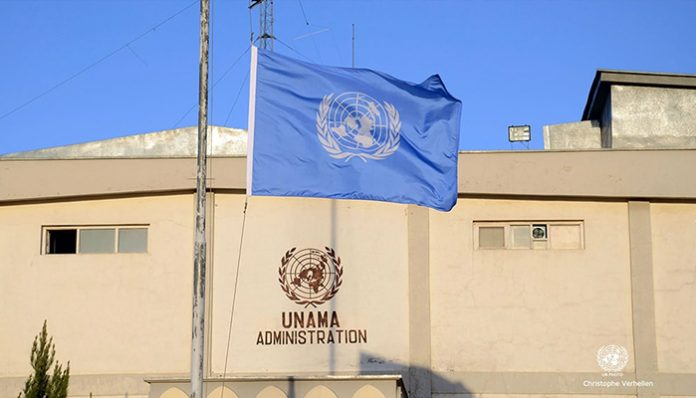
In a joint analysis, Omar Samad, former Afghan ambassador to Canada, Asila Wardak, former diplomat and women’s rights advocate, and Farid Zarif, Afghanistan’s former representative to the United Nations, said UNAMA faced the prospect of being dissolved or significantly downsized earlier this year. However, they noted that the UN Security Council’s decision to extend the mission’s mandate for another year has created a limited opportunity to reassess the UN’s strategy toward Afghanistan.
The authors argued that the absence of a UN Secretary-General’s Special Representative in Kabul, coupled with divisions among Security Council members, has left the mission’s future uncertain. They stressed that the United Nations cannot withdraw from Afghanistan because doing so would carry severe humanitarian consequences. At the same time, they said, the international community should not normalize the current situation, as the political conditions for recognizing the Taliban have not been met.
The three diplomats called for UNAMA’s mandate to be redefined around realistic objectives, stronger coordination and clearer expectations for both the Taliban and the international community. They described Afghanistan as facing multiple overlapping crises, including economic stagnation, climate change, large-scale deportations of Afghan migrants, declining healthcare services, and severe restrictions on women and girls—factors they said have made Afghanistan one of the world’s most complex humanitarian emergencies.
The analysis also described the appointment of Rabab Fatima as the UN Secretary-General’s new Special Representative for Afghanistan as an opportunity to rebuild donor confidence and improve coordination among international stakeholders. However, it noted that divisions within the Security Council over engagement with the Taliban, along with the slow progress of the Doha Process, continue to hinder diplomatic efforts.
The authors concluded that the success of UNAMA’s renewed mandate will depend on setting clear priorities, strengthening regional cooperation, preserving humanitarian space, restoring donor confidence, and focusing on protecting the lives and livelihoods of the Afghan people.