Taliban’s Domestic Revenue Nears $14B as Development Spending Remains Below 10%
DID Press: Economic experts, citing 41 World Bank reports and official Taliban financial data, estimate that the Taliban has generated nearly $14 billion in domestic revenue since returning to power in 2021, with more than half of its annual budget allocated to military and security spending while less than 10% has been directed toward development projects, leaving Afghanistan’s humanitarian and economic conditions largely unchanged.
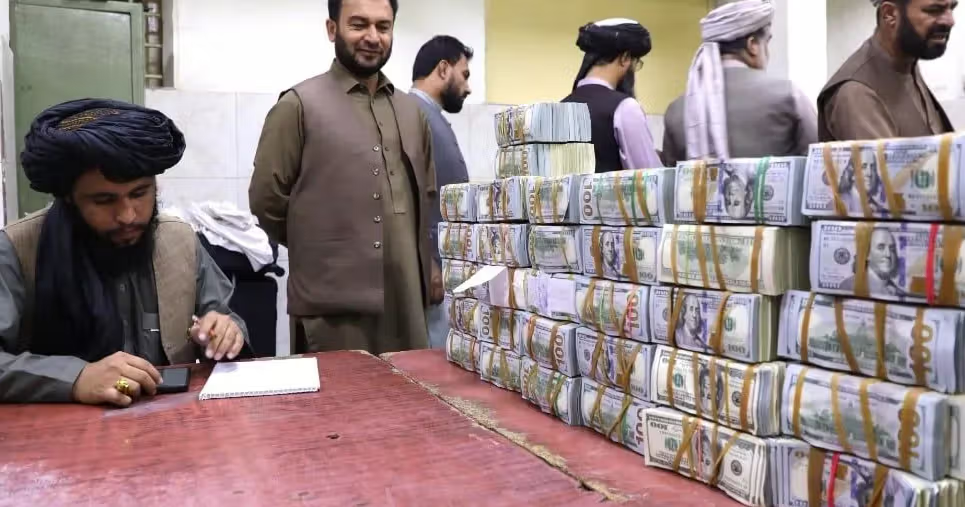
According to the analysis, the Taliban’s domestic revenue reached $13.7 billion between September 2021 and May 2026. Including the latest two months, the cumulative figure is estimated at approximately $14 billion. The assessment is based on 41 World Bank reports issued since the Taliban’s takeover of Afghanistan, together with official financial data released by the group.
Financial records show a steady increase in domestic revenue, rising from $420 million during the final four months of 2021 to $2.2 billion in 2022, $2.7 billion in 2023, $3.4 billion in 2024, and around $4 billion in 2025. The Taliban also reported $940 million in revenue during the first quarter of 2026.
After taking power, the Taliban retained much of the previous government’s tax and customs systems while expanding domestic income through dozens of mining contracts covering gold, coal, copper, and iron. Economists, however, say limited financial transparency and the absence of independent oversight make it difficult to verify the group’s actual revenues, particularly from the mining sector.
Meanwhile, the United Nations Assistance Mission in Afghanistan (UNAMA) says the international community has provided approximately $16 billion in humanitarian assistance to Afghanistan over the past five years. Combined with domestic revenue, nearly $30 billion has flowed into Afghanistan’s economy during that period. However, humanitarian aid is distributed through international organizations rather than through the Taliban’s national budget.
Official Taliban figures indicate that around 51% of the group’s annual budget has been allocated to military and security sectors, while less than 10% has been devoted to development and infrastructure projects. Despite rising domestic revenues and continued international humanitarian assistance, Afghanistan’s humanitarian indicators have shown little improvement, with nearly 29 million people still requiring humanitarian aid.
Economists argue that increased government revenue improves living standards only when invested in productive sectors, job creation, financial transparency, and broader economic engagement—areas they say remain largely absent under the Taliban’s current governance model.