DID Press: The Michigan Senate race has emerged as one of the most closely watched political contests in the United States following Senator Gary Peters’ decision to step aside, with Republican Mike Rogers facing Democratic candidate Abdul El-Sayed, a Muslim physician and progressive political figure whose rise is drawing national attention.
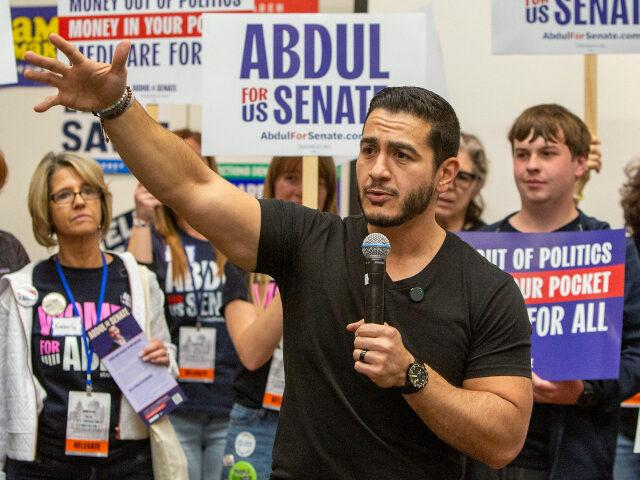
El-Sayed’s victory in the Democratic primary has challenged traditional party structures and the influence of major financial networks, raising questions about whether Michigan is entering a defining moment in the growing influence of progressive movements and changing voter demographics.
Political analysts say El-Sayed’s success, alongside the rise of Muslim politician Zohran Mamdani in New York, reflects a broader shift in American politics, where candidates from immigrant communities, working-class backgrounds, and anti-establishment movements are gaining greater influence within the country’s political system.
The developments have attracted attention because they suggest that Muslim representation in US politics is moving beyond symbolic participation toward a more influential role, particularly in key states with diverse populations.
El-Sayed, the son of an Egyptian immigrant, has built his campaign around economic justice, healthcare reform, and criticism of corporate influence in politics. Drawing on his background as a physician, epidemiologist, and former public health leader in Detroit, he has emphasized domestic investment over military spending, arguing that resources allocated to foreign conflicts reduce funding available for education and healthcare.
His message has gained support among younger voters, progressive Democrats, labor groups, and parts of Michigan’s Arab-American community. His campaign also challenged powerful political networks, including major lobbying organizations, while securing backing from the United Auto Workers (UAW).
However, Republican candidate Mike Rogers enters the race with greater name recognition due to his long career in federal politics. Analysts say the contest will test whether progressive economic messaging can overcome traditional political structures in a key swing state.
The race has also generated controversy in US media after commentator Mehdi Hasan and former Secretary of State Mike Pompeo clashed over accusations involving El-Sayed’s foreign policy positions. Hasan responded by highlighting Pompeo’s past diplomatic engagement with Taliban officials, challenging the criticism directed at El-Sayed.
Observers say the Michigan Senate contest could become a significant indicator of broader changes in American politics, including the growing role of immigrant communities, younger voters, and candidates challenging traditional party establishments.