Intimidation and Appeasement: Taliban’s Power Game with Afghanistan’s Shiite Community
DID Press: Recent actions by the Taliban authorities in Kabul — ranging from the sealing and seizure of Shiite religious, educational and media institutions to the detention and subsequent rapid release of prominent religious and community figures — reveal a complex but increasingly visible pattern in the authorities’ security approach toward minorities.
This dual approach, based on “direct intimidation” and “tactical retreat or appeasement,” appears less to reflect a coherent and stable strategy of governance than the internal contradictions of the Taliban’s power structure and its structural confrontation with religious and ethnic pluralism in Afghanistan.
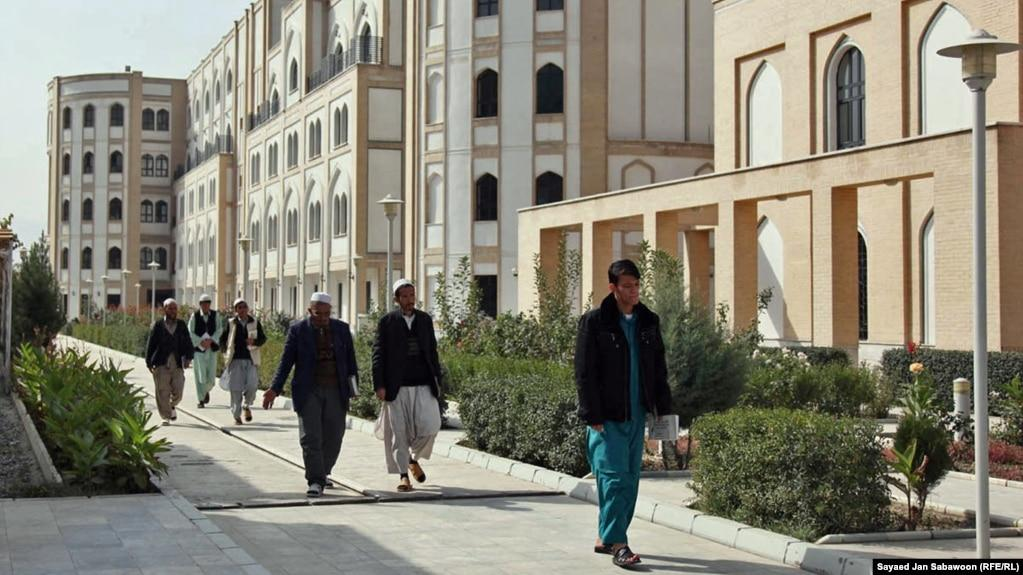
At the outset, the targeted detention of prominent members of the Shiite community and the closure of institutions such as the Khatam al-Nabieen Islamic University and educational complex, as well as media outlets including Tamaddon and Rah-e-Farda television channels, can be viewed as part of a broader effort to consolidate control over the country’s public and religious space.
The Taliban Justice Ministry’s efforts to pursue the seizure of properties such as the Omid-e Sabz Township, alongside restrictions on Shiite seminaries and religious schools, send a clear message to Afghanistan’s Hazara and Shiite communities: under the emerging political order, independent institutions or social authorities operating outside the full control of the central power structure will not be tolerated.
By employing a policy of maximum pressure and establishing new red lines, the Taliban appears to be seeking to prevent any independent capacity for civil organization or religious advocacy from taking root.
However, the unexpected release of some of these figures only days after their detention, following strong domestic and international reactions, highlights another dimension of Kabul’s calculations. These temporary retreats do not necessarily indicate a change in the Taliban’s broader objectives toward the Shiite community; rather, they may reflect pragmatic calculations of costs and benefits within the decision-making structure.
The Kabul authorities, aware of the country’s fragile economic conditions, international isolation and pressing need to maintain relative security, are likely concerned about the consequences of deepening religious and ethnic divisions.
Excessive pressure on a community representing a significant segment of Afghanistan’s population and carrying substantial accumulated grievances could contribute to unrest that becomes difficult to control, imposing significant political and security costs on the governing apparatus.
At the same time, this cycle of intimidation and release can function as a tool for weakening the position of traditional Shiite leaders and clerics. By detaining prominent religious figures in a humiliating manner and subsequently releasing them, the Taliban can undermine their perceived authority among their supporters.
Under such circumstances, Shiite leaders remain in a state of uncertainty and persistent threat, forcing them to devote their resources to negotiating for immediate and limited concessions — such as the release of detainees or the temporary reopening of religious institutions — rather than pursuing broader structural demands, including recognition of Ja’fari jurisprudence or meaningful participation in political power.
This tactic risks transforming Shiite community leaders from advocates for political participation into cautious petitioners seeking minimum concessions.
The international and regional dimensions of this dual approach should also not be overlooked. The Kabul authorities have consistently sought to project an image of nationwide security and the absence of significant ethnic or religious tensions to regional powers.
By quickly releasing some prominent figures, the Taliban may seek to prevent serious diplomatic pressure from neighboring countries and key regional actors.
This display of flexibility can serve as a diplomatic tool, reinforcing the perception that the authorities are capable of resolving domestic disputes peacefully, while the legal and civic foundations protecting minority communities continue to erode.
Ultimately, a cycle of intimidation followed by tactical appeasement is not a sustainable solution for dealing with Afghanistan’s diverse and pluralistic society.
The use of security pressure, media closures and property seizures alongside inconsistent, back-and-forth measures is likely to deepen resentment, reinforce historical mistrust and widen the gap between society and the authorities.
Unless the fundamental religious and civil rights of all ethnic and religious communities in Afghanistan are recognized within a transparent, equitable and inclusive legal framework, such security maneuvers and temporary releases will merely provide a short-term cover for deeper divisions that could threaten the country’s long-term stability.
By Sayed Baqer Waezi | DID News Agency