DID Press: As the war involving the United States and Israel against Iran enters its fourth week, Pakistan has moved to the forefront of regional diplomacy. Islamabad has rapidly—but strategically—become a central hub for message exchanges and mediation between Tehran and Washington. Pakistan remains one of the few actors maintaining simultaneous security, diplomatic, and political ties with both sides.
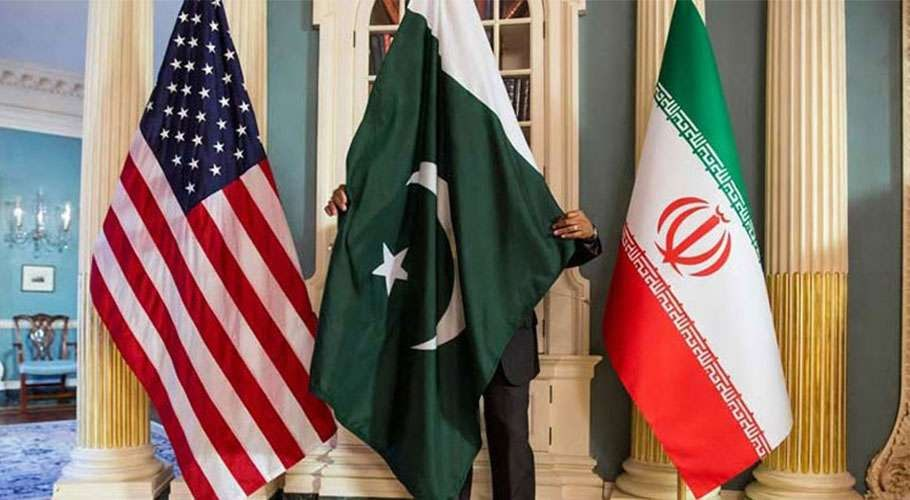
According to Michael Kugelman, the administration of Donald Trump has shown strong interest in cooperation with Pakistan. He noted that the U.S. president believes the Pakistani military possesses deep operational knowledge of Iran—expertise that could serve as an effective mediation asset under current wartime conditions.
Behind the scenes, the role of Saudi Arabia has been significant. Vali Nasr emphasized that Islamabad would not have stepped into such a sensitive diplomatic arena without approval from Riyadh. The long-standing strategic partnership between Pakistan and Saudi Arabia suggests that Islamabad’s diplomatic initiatives are part of a broader regional coordination framework, indicating that Pakistan’s mediation is not a solo effort but a component of a wider Gulf diplomatic architecture.
Security considerations are also driving Islamabad’s actions. Pakistan and Turkey—two key neighbors of Iran—stand to suffer the most from a prolonged conflict, facing risks ranging from cross-border instability and economic pressure to potential refugee flows. For Pakistan, efforts to stop the war are not merely political calculations but a strategic necessity to preserve domestic stability.
At the same time, a diplomatic triangle has emerged. Pakistan and Turkey are tasked with delivering messages to Tehran, while Egypt—due to its direct relations with Israel—serves as a critical communication channel for messages others cannot easily convey. This division of responsibilities has created a multilayered mediation network that has gained strategic importance in the absence of direct communication between Tehran and Washington.
Why Now?
The conflict has reached a stage where military and political costs are rising for all parties, particularly the United States and Israel. Political constraints have also prevented direct negotiations between Trump and Tehran, creating a diplomatic vacuum that makes third-party mediation increasingly necessary. Islamabad’s visible diplomatic engagement has been substantial enough to attract the attention of global media and international institutions.
Conclusion:
Pakistan is steadily consolidating its position as a regional “balancer.” In a period marked by closed direct communication channels, countries with flexible, multi-aligned relationships are poised to play decisive roles. The current crisis offers Islamabad an opportunity to redefine its regional and global standing and emerge as a central actor in high-stakes crisis diplomacy.