UK Accused of Blocking Exit of Eligible Afghan Refugees
DID Press: British government has come under renewed criticism after the Ministry of Defense was accused of effectively preventing eligible Afghans from leaving Afghanistan despite earlier promises of relocation and asylum following the Taliban’s return to power.
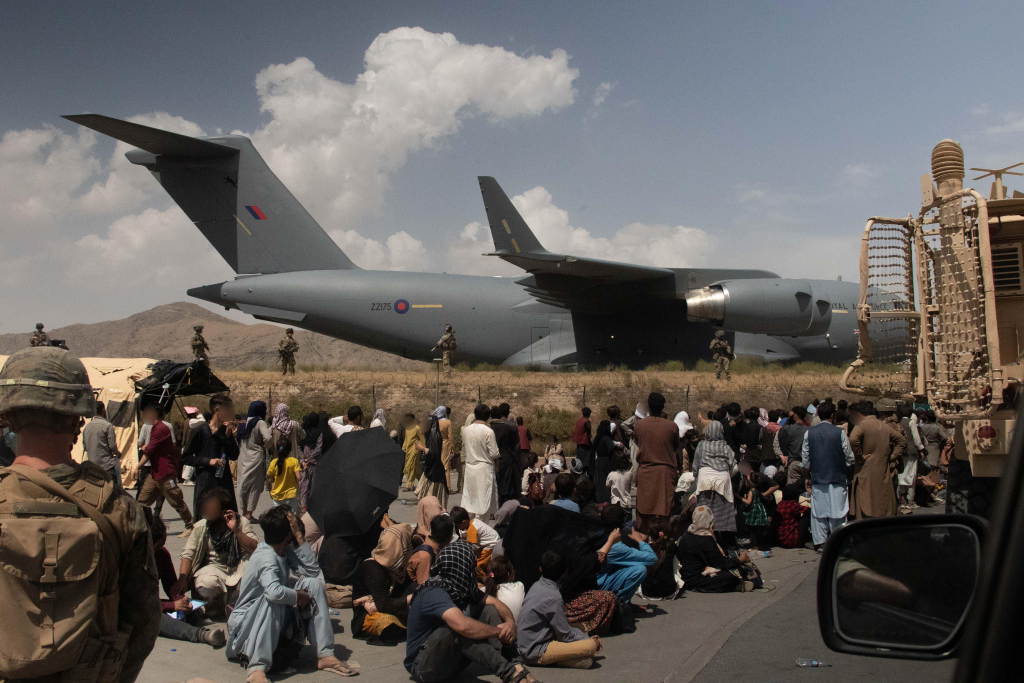
The controversy intensified after London suspended third-party assistance programs that had previously helped eligible Afghan families escape the country, instead asking them to find their own routes out of Afghanistan.
During a parliamentary session on Tuesday, “Tan Dhesi,” chair of the UK Parliament’s Defense Committee, challenged Defense Minister “Luke Pollard” over what he described as a contradiction in government policy.
Dhesi said that while the government insists it remains committed to relocating eligible Afghans, it has simultaneously “shut down the escape routes” by ending external support mechanisms.
In response, Pollard stated that many Afghans are now leaving Afghanistan independently through legal channels and reaching third countries, from where the UK continues processing relocation cases.
“We believe we can still meet all our commitments to eligible Afghans, but the process is now taking place through a different route,” Pollard said.
The British defence minister also reaffirmed that London remains committed to its obligations toward qualified Afghan applicants.
According to Pollard, around 9,000 Afghans are still awaiting relocation to the United Kingdom. However, he noted that a significant number of pending cases may ultimately be deemed ineligible after ongoing reviews are completed.
The UK Ministry of Defence has meanwhile announced that all Afghan relocation and assistance schemes will be phased out by the end of 2028.
Following the collapse of the former Afghan government in August 2021, thousands of Afghans who worked alongside British forces and institutions applied for asylum and relocation to Britain. Many remain stranded inside Afghanistan or in neighboring countries awaiting final decisions.