Afghanistan Opposition Groups Reject Taliban’s Legitimacy
DID Press: The National Council for the Salvation of Afghanistan and the High Council of National Resistance for the Salvation of Afghanistan have, in a joint resolution, described the Taliban government as “lacking national legitimacy” and urged countries around the world to refrain from any action that could lead to legitimizing the group.
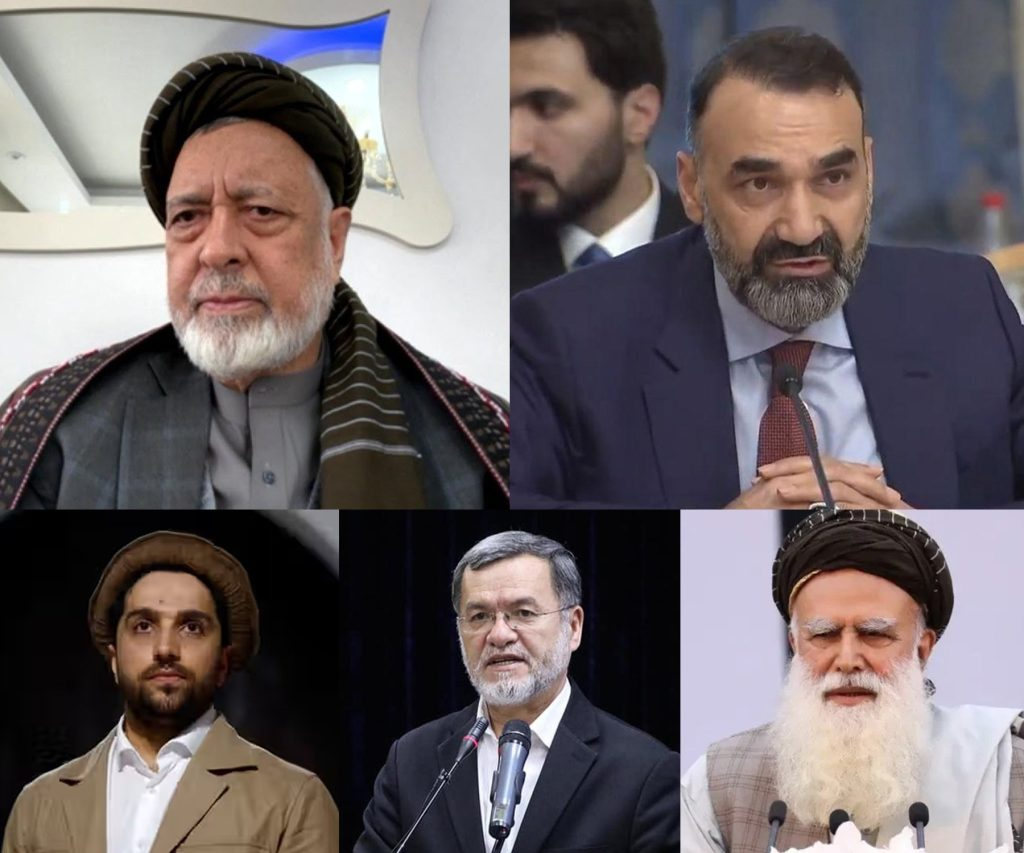
At a virtual meeting marking the fifth anniversary of the transfer of power to the Taliban, the two groups issued a resolution describing the fight against the Taliban as part of the “natural right of the Afghan people to free themselves from tyranny and monopoly.”
The two groups said that following the collapse of the republican system on August 15, the process of state-building and democracy was halted and the country was placed under the control of a “rigid, monopolistic group lacking national legitimacy.” They described Taliban rule as the result of the “imposition of force and violence” and condemned the group’s policies, including arbitrary arrests, torture, suppression of freedom of expression, removal of professional cadres and widespread human rights violations.
The resolution also condemned “killings without due judicial process, enforced disappearances and violations of the right to life,” while describing the systematic exclusion of women from society as an “open crime against human dignity.” The groups warned that these policies would expose current and future generations of Afghans to serious consequences.
The two groups condemned ethnic and religious discrimination and stressed equal rights for all ethnic and religious communities in Afghanistan, specifically expressing support for the rights of Hazaras and followers of the Shia faith.
The resolution also called on the international community to responsibly address security threats and prevent Afghan territory from being used by terrorist groups.
The country’s economic situation was described as “deeply concerning,” with poverty, unemployment, declining production, dependence on humanitarian aid, and the large-scale migration of young people and skilled professionals cited as consequences of Taliban policies.
The political groups concluded by stressing that Afghanistan’s future can only be secured through a political system based on the free will of the people, elections, the rule of law, justice, equal participation of all ethnic and religious communities, and respect for human rights and human dignity.