DID Press: With nearly 90 percent of the votes in Israel’s Knesset election counted, Benjamin Netanyahu’s coalition has secured 53 seats, while the opposition bloc led by Gadi Eisenkot has won 48 seats. Arab parties have captured 19 seats, making them potential kingmakers in negotiations to form the next government.
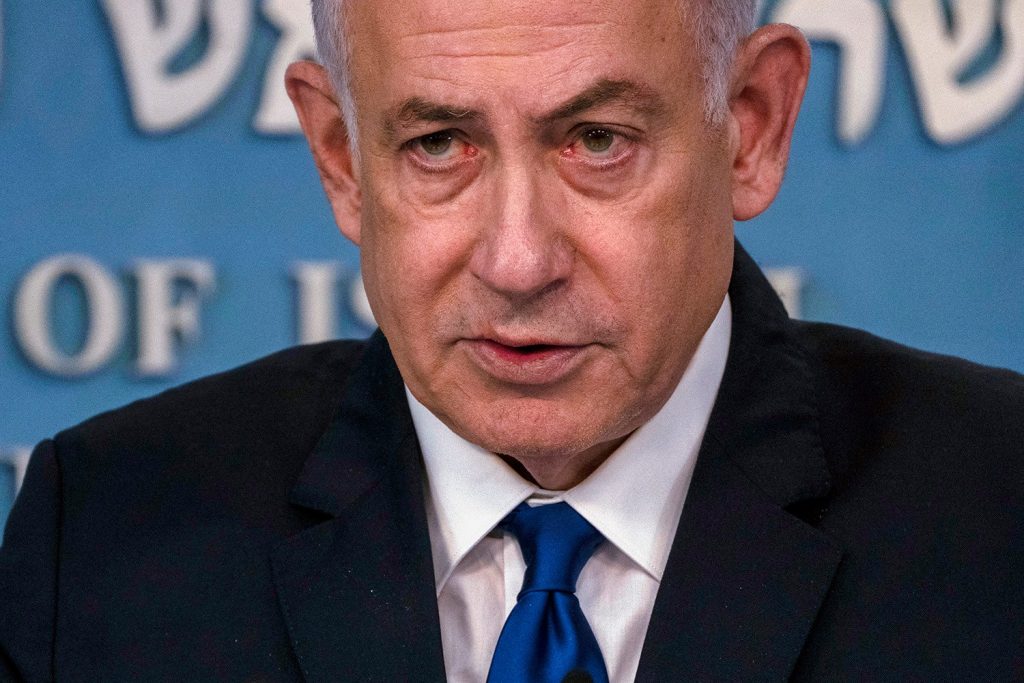
Neither camp has reached the 61 seats required for a parliamentary majority, leaving Netanyahu’s political future uncertain.
According to The Times of Israel, the Central Elections Committee said the counting of outstanding ballots, including double-envelope votes and ballots requiring further examination, could continue until late Thursday. Official final results are expected to be published on November 4.
Netanyahu’s coalition, which currently holds 68 seats in the Knesset, has lost 15 seats in the preliminary results and now needs eight additional seats to form a government. The opposition bloc, meanwhile, cannot form a government on its own without securing support from Arab parties or reaching agreements with other political factions.
Arab parties have collectively won 19 seats, marking their strongest representation in Knesset election history. The result comes amid increased turnout among Arab voters. Opposition to Netanyahu’s continued rule and the policies of his far-right allies has been cited as a major factor in mobilizing voters.
However, some opposition leaders have ruled out cooperating with Arab parties to form a government, potentially undermining efforts to remove Netanyahu from office. If coalition negotiations fail, possible scenarios include the formation of another coalition government involving Netanyahu or the holding of an early election.
Israeli President Isaac Herzog has urged party leaders to show flexibility in coalition negotiations to avoid another election. Nevertheless, political divisions and the refusal of some opposition factions to work with Arab parties have complicated efforts to form a government.
The preliminary results indicate that Netanyahu’s coalition has emerged as the largest bloc but failed to retain its parliamentary majority. The outcome has cast uncertainty over both Netanyahu’s political future and the opposition’s ability to overcome internal divisions and establish an alternative government.