DID Press: Assem Abdel-Maged, a prominent leader of Egypt’s Al-Jamaa Al-Islamiya, has called on the Muslim Brotherhood to withdraw entirely from political activity and redirect its efforts towards religious outreach and education, describing the movement’s political experience over recent decades as unsuccessful.
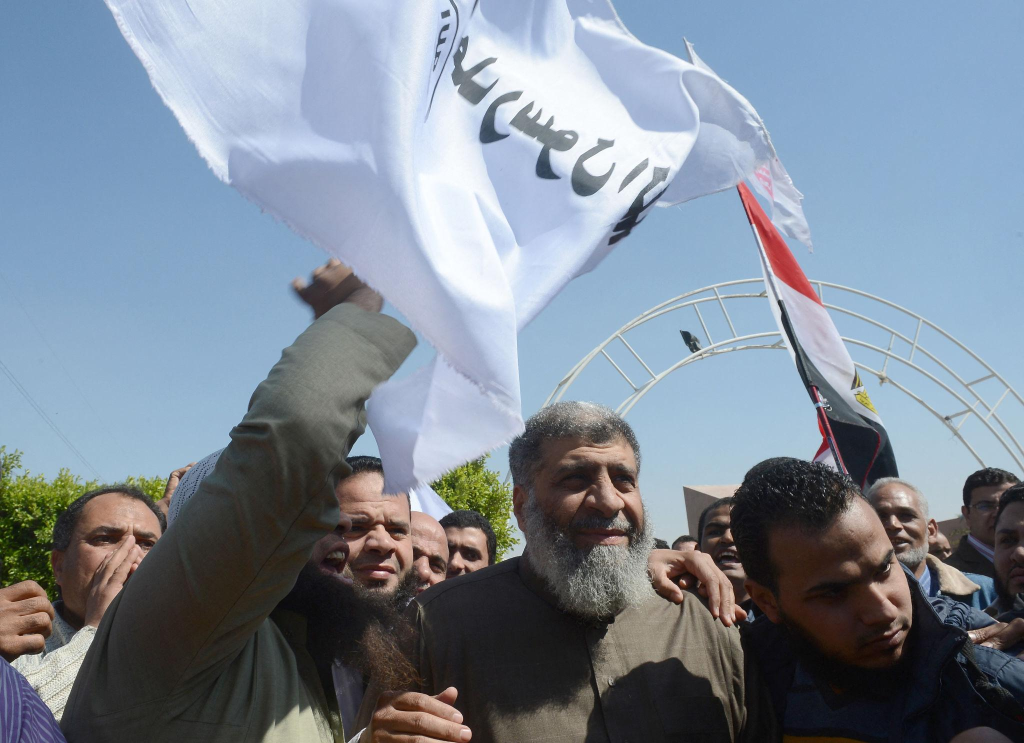
His proposal, made during an interview with the Mars podcast, has prompted differing reactions among Islamist figures and renewed debate over the political role of Islamist movements in the Arab world.
Abdel-Maged argued that opposition movements seeking to participate in the political systems of Arab countries face two costly options: accepting restrictions and submitting to the ruling authorities, or entering into violent confrontation with the state.
He said neither approach had produced lasting gains for Islamist movements, instead leading to organisational decline, repression and mounting costs for political activity. He described the political environment in Arab countries as increasingly closed to movements that do not align themselves with those in power.
Referring to the Muslim Brotherhood’s history, Abdel-Maged said its political participation under former Egyptian President Hosni Mubarak and following the 2011 revolution had failed to deliver meaningful or lasting achievements.
He warned that continuing the group’s current strategy could lead to renewed repression similar to that which followed the 2013 ousting of then-President Mohamed Morsi, when Egyptian authorities launched a sweeping crackdown on the Brotherhood and detained large numbers of its members and leaders.
Abdel-Maged said he had previously raised the proposal in private discussions but decided to make it public because of developments inside Egypt and changing regional and international circumstances. He also expressed hope that imprisoned Brotherhood leaders would be more receptive to the proposal than those living abroad.
The proposal has, however, drawn criticism from other Islamist figures. Essam Teleima, an Islamist activist and prominent student of the late cleric Yusuf al-Qaradawi, dismissed Abdel-Maged’s position and accused him of lacking an understanding of the Muslim Brotherhood’s history and nature.
The disagreement highlights continuing divisions among Islamist movements over the Brotherhood’s political future. While some figures view a return to social, educational and religious outreach as a way to preserve the organisation and avoid further repression, others regard abandoning politics as relinquishing the movement’s political and social role.