Analysis
-
Afghanistan
Analysis: Why the Taliban Missed the Chance for Internal Peace in Afghanistan
DID Press: A political analysis argues that the ruling authorities in Taliban squandered a critical opportunity for national reconciliation after taking power in 2021, opting instead for centralized control that deepened political exclusion and long-term instability. The commentary suggests that…
Read More » -
Analysis
Iran at Center of Global Power Shift, Says Analysis
DID Press: Iran is increasingly positioned at the core of what analysts describe as a broader transition in the global order, where escalating conflicts involving the United States and Israel are viewed as part of a wider strategic contest rather…
Read More » -
Afghanistan
UN Consensus in New York, Pressure in Kabul
DID Press: UNSC’s latest update of sanctions listings and the renewal of the monitoring team’s mandate is seen in Kabul as a setback for the Taliban’s foreign policy, underscoring continued international pressure rather than any easing of restrictions. The update…
Read More » -
Analysis
Iran–US Temporary Truce Opens Strategic Window for Energy and Transit Stability in Eurasia
DID Press: A two-week ceasefire between Iran and United States, while appearing to be a short pause in the cycle of tensions in the Middle East, carries broader implications for the countries of Central Asia. The region, which in recent…
Read More » -
Analysis
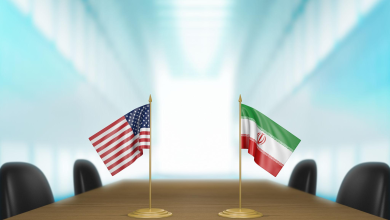
US Ambitions Falter in Negotiations With Iran
DID Press: Diplomacy is not an arena for bargaining over red lines. Standing firm against what is described as excessive U.S. demands—even at the cost of prolonged negotiations—is presented as part of a diplomatic logic centered on safeguarding national interests.…
Read More » -
Afghanistan
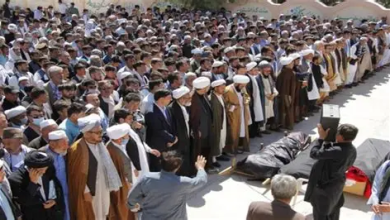
Targeted Attacks on Shiites Reflect Longstanding Security Failures in Afghanistan
DID Press: Afghanistan is a country with deep ethnic and religious diversity, but over recent decades this diversity has rarely been treated as a national asset and has instead been framed through political and security rivalries. As a result, religious…
Read More » -
Afghanistan
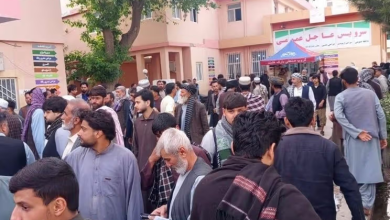
National Mourning in Herat: Tragedy Tests Afghanistan’s Unity and Resolve
DID Press: A devastating and heartbreaking tragedy in the historic city of Herat has left a blood-stained image of sorrow on the face of Afghanistan—an Event portrayed not as an isolated incident, but as a deep wound on the body…
Read More » -
Afghanistan
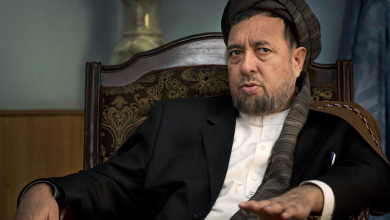
Mohaqeq’s Letter to Munir Highlights Afghanistan’s Political Fluidity
DID Press: Interaction with anti- figures can serve as leverage over Kabul’s rulers. However, these actions mostly reflect tactical flexibility rather than a fundamental shift in Pakistan’s policy. Islamabad continues to recognize the Taliban as the de facto authority in…
Read More » -
Afghanistan
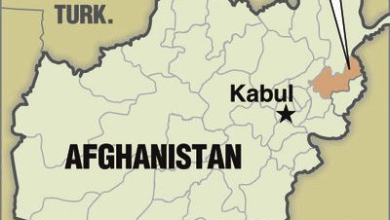
Open Kabul–Islamabad Conflict: Nuristan Encircled as Regional Security Puzzle Deepens
DID News: The remote valleys of Nuristan, covering the Hindu Kush section of the colonial Durand Line, have become the scene of one of the deadliest and most complex confrontations between Afghanistan and Pakistan over the past two months. The…
Read More » -
Analysis
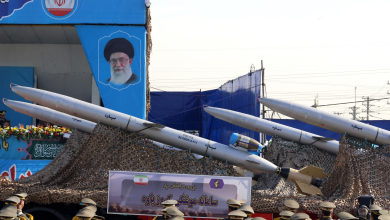
Strategic Defeat for US, Resounding Victory for Iran and Resistance
DID Press: Once again, United States has made a grave strategic error in its calculations against the Islamic Republic of Iran. Washington had declared three main objectives for its military intervention: “regime change in Iran, halting the peaceful nuclear program,…
Read More »