UN Consensus in New York, Pressure in Kabul
DID Press: UNSC’s latest update of sanctions listings and the renewal of the monitoring team’s mandate is seen in Kabul as a setback for the Taliban’s foreign policy, underscoring continued international pressure rather than any easing of restrictions.
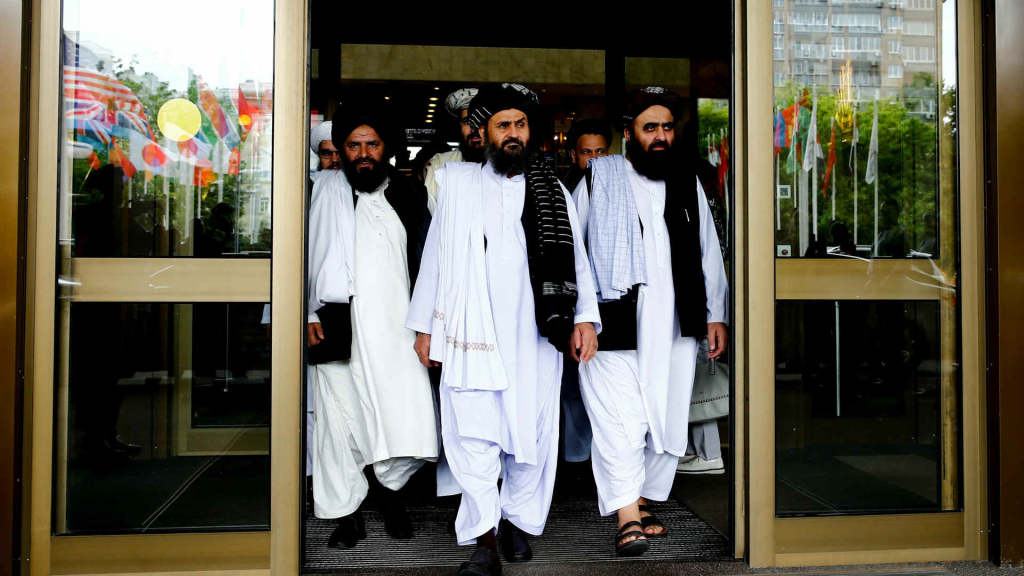
The update includes revised identifying details for four senior Taliban figures—Mohammad Hassan Akhund, Abdul Ghani Baradar, Amir Khan Muttaqi, and Hedayatullah Badri—under the UN sanctions framework.
Diplomatic sources say the coordinated renewal of the monitoring mechanism reflects sustained international consensus at the Security Council in New York City, despite broader geopolitical divisions on other global crises. The continuation of sanctions under Resolution 1988 signals that key global powers still do not recognize the Taliban as a fully normalized actor in the international system.
Analysts note that while the update is procedural in nature, it reinforces existing restrictions by tightening identity verification mechanisms and limiting potential loopholes for travel and financial evasion. The move is intended to maintain pressure on sanctioned individuals and prevent circumvention of international measures.
The renewed mandate also highlights ongoing concerns cited by the UN, including restrictions on women’s rights, the absence of an inclusive political structure, and the risk of transnational militant activity—factors that continue to block any pathway toward broader normalization.
For Taliban authorities in Kabul, the continued sanctions regime represents a persistent diplomatic and economic constraint, limiting international engagement and complicating access to global financial systems and foreign investment.
The report concludes that the current situation reflects a strategic deadlock between the international community’s reliance on sanctions as leverage and the Taliban’s refusal to alter core governance policies, leaving Afghanistan’s international status unresolved.
By Sayed Baqer Waezi | DID News Agency