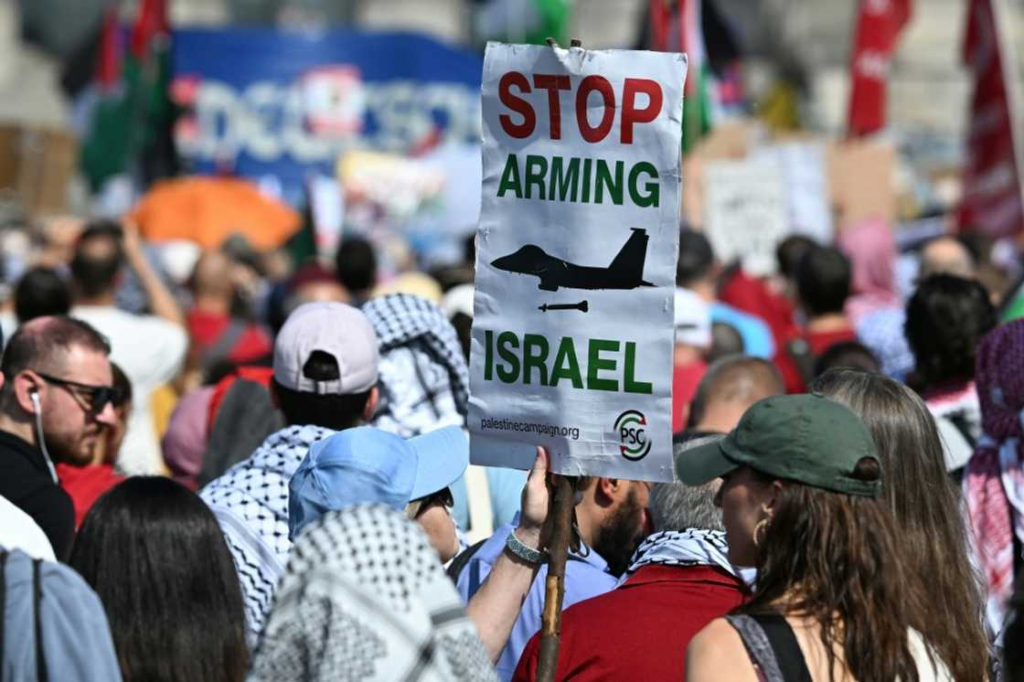
DID Press: Experts from the United Nations have strongly condemned large-scale Israeli strikes on Lebanon carried out just hours after a ceasefire announcement, calling on member states to immediately suspend arms transfers to Israel.
According to the experts, Israeli forces launched a coordinated ten-minute assault on April 8, 2026, striking more than 150 locations across Lebanon. The attacks reportedly killed at least 303 people and injured around 1,150 others, while hundreds remain trapped under rubble. Many of the strikes targeted densely populated residential districts and commercial centers in Beirut.
The UN experts stated that the strikes occurred precisely when a ceasefire between the United States and Iran—brokered by Pakistan—had been announced, an agreement that the Pakistani mediator said also applied to Lebanon. They described the operation as the “largest coordinated wave of attacks since 1980” against the country.
Beyond the human toll, the report highlighted severe environmental damage, including the release of toxic gases, contamination of water resources, and ecosystem destruction caused by fires and chemical residues from the strikes.
Official Lebanese figures indicate that since March 2, more than 2,000 people have been killed and 6,588 injured in Israeli attacks, while over one million residents—roughly one-fifth of the population—have been displaced. About 140,000 people are currently sheltering in overcrowded emergency facilities.
The experts also condemned recent cross-border attacks by Hezbollah against Israeli civilians, urging compliance with the 2024 ceasefire agreement and United Nations Security Council Resolution 1701.
In their concluding recommendations, the experts called for an immediate halt to Israeli military operations in Lebanon, withdrawal of forces, safe return of displaced civilians, and the start of direct negotiations. They further urged the United States to use its influence to stop the strikes and appealed to all UN member states to suspend weapons transfers to Israel while increasing humanitarian funding, including a requested $308 million emergency response package.