Maria Sultan Remarks Spark Debate Over Psychological Warfare in Region
DID Press: Recent comments by Pakistani strategic analyst Maria Sultan regarding the possible “loss of Afghanistan’s geography” have triggered wide debate across Afghan and regional political circles, with many observers viewing the remarks not merely as a personal assessment, but as part of a broader psychological and geopolitical narrative unfolding in South Asia.
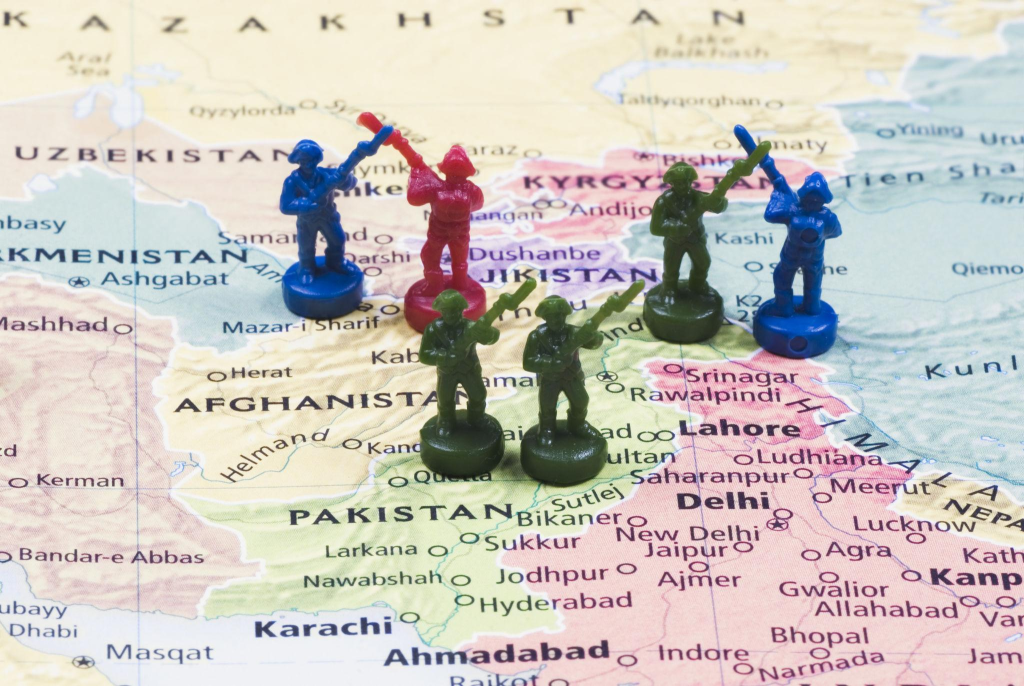
The statements come at a time when the region is experiencing one of its most fragile security and geopolitical phases in recent years. Analysts argue that such rhetoric should be understood within the context of escalating regional competition, security anxieties, and information warfare between neighboring states.
Maria Sultan is widely recognized in Pakistan for her work on strategic and security affairs, and some observers consider her closely linked to the country’s security establishment. Her previous engagements with anti-Taliban political figures have further intensified scrutiny over her latest comments, leading many to interpret them as politically consequential rather than purely academic.
Pakistan’s Security Calculus and Regional Pressure
For decades, Afghanistan has remained central to Pakistan’s strategic security doctrine. Islamabad historically sought to shape political and security developments in Afghanistan in line with its regional interests. However, relations between Pakistan and the Taliban administration have deteriorated since the Taliban’s return to power.
Pakistan had expected Kabul to curb the activities of Tehrik-i-Taliban Pakistan (TTP), yet militant attacks and insecurity inside Pakistan have instead escalated, deepening mistrust between the two sides.
In this context, some analysts believe that discussions about Afghanistan’s territorial fragility may function as a form of psychological and political pressure aimed at Kabul. Such narratives often emerge when governments face mounting domestic crises and seek to redirect public attention toward external threats.
Internal Pressures Inside Pakistan
Pakistan itself faces significant internal challenges, including economic instability, rising militant violence, and separatist insurgencies. Attacks by TTP militants, ISIS affiliates, and Baloch separatist groups have intensified concerns over the country’s internal security landscape.
Some Afghan analysts argue that if debates over territorial fragility and identity crises are to be raised, Pakistan may itself be more vulnerable to such pressures than Afghanistan. They point to Afghanistan’s survival as a historical and geographic entity despite decades of war and foreign intervention, while noting Pakistan’s long-standing ethnic and sectarian tensions since its creation.
Afghanistan’s Own Structural Challenges
At the same time, observers acknowledge that Afghanistan continues to face deep political, economic, and social crises. The absence of an inclusive political framework, international isolation, and economic hardship continue to cast uncertainty over the country’s future.
However, critics argue that rhetoric surrounding the potential “collapse” or “loss” of Afghanistan’s geography risks worsening mistrust between Kabul and Islamabad rather than contributing to regional stability.
Conclusion
Analysts say Maria Sultan’s remarks should be viewed as more than a routine media statement. They reflect broader regional tensions shaped by strategic rivalry, security competition, and persistent instability across South Asia.
Ultimately, the future stability of both Afghanistan and Pakistan will depend less on rhetorical escalation and more on the ability of both sides to manage disputes, reduce tensions, and pursue meaningful regional cooperation. Continued psychological warfare and threat-based narratives, observers warn, are likely to deepen instability for both countries rather than resolve existing crises.
By Sayed Baqer Waezi – DID News Agency