Afghans Face Fresh Banking Restrictions Ahead of Eid
DID Press: As families across Afghanistan prepare for Eid al-Adha, growing banking restrictions and cash shortages are once again intensifying public frustration, exposing deep cracks in the country’s fragile financial system.
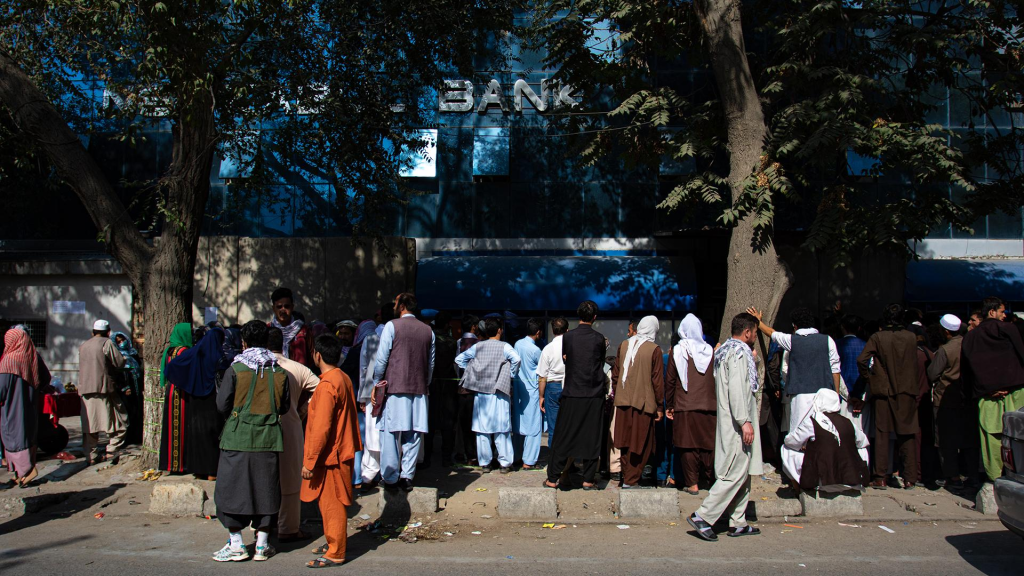
Long queues outside private banks in Kabul and mounting complaints from customers unable to access their own savings or foreign remittances have highlighted the widening gap between official economic narratives and the daily realities facing ordinary citizens.
Cash Withdrawal Limits Spark Public Anger
Reports from Kabul indicate that some banks have reduced weekly withdrawal limits to as little as 20,000 Afghanis, despite increased household expenses ahead of Eid.
Critics argue that these restrictions effectively place the burden of Afghanistan’s liquidity crisis on ordinary citizens, many of whom rely on personal savings and overseas remittances to meet basic needs.
Contradictions Between Policy and Reality
The current situation sharply contrasts with earlier announcements by Afghanistan’s central bank under Taliban administration, which had previously promoted higher withdrawal ceilings as a sign of economic normalization and restored financial confidence.
Now, customers reportedly struggle to access even small portions of their funds, often encountering explanations such as “system failure” or payment delays.
Analysts say this contradiction raises serious questions about the regulatory authority of the central bank and the actual liquidity position of private financial institutions.
Remittances Under Pressure
Particular concern surrounds the handling of foreign remittances, which remain a critical lifeline for thousands of Afghan households.
Observers warn that delays or restrictions in distributing overseas transfers directly affect household purchasing power at a time of rising food prices and worsening economic vulnerability.
For many families, remittances from relatives abroad represent the primary source of survival in an economy still struggling with sanctions, unemployment, and declining international assistance.
Structural Roots of the Crisis
Economists argue the banking crisis is rooted in broader structural isolation. Afghanistan’s disconnection from the global financial system, restrictions linked to international sanctions, frozen foreign assets, and limited access to SWIFT transactions have severely weakened domestic banking operations.
Private banks that once depended on international liquidity flows and foreign aid now face increasing difficulty processing even routine transactions.
Growing Distrust in the Financial System
Analysts warn that continued restrictions could accelerate public distrust and push more people toward informal money exchange networks and traditional hawala systems.
Such a shift would further weaken formal financial institutions and reduce the government’s ability to manage monetary policy effectively.
The absence of transparent communication from both the central bank and private lenders has also fueled speculation and uncertainty, undermining already fragile economic confidence.
Conclusion
Observers caution that limiting public access to personal savings may temporarily ease pressure on struggling banks, but risks causing long-term damage to public trust in Afghanistan’s financial system.
Without meaningful liquidity reforms and greater transparency, analysts say official claims of economic stability are unlikely to restore confidence among citizens facing worsening financial hardship ahead of one of the country’s most important religious holidays.
By Sayed Baqer Waezi – DID News Agency