Russian Air Defense Deal May Reshape Afghanistan-Pakistan Military Balance
DID Press: Recent Pakistani air and drone strikes on Afghanistan’s border provinces have exposed a critical vulnerability for the Taliban administration in Kabul: regardless of strength on the ground, the absence of an effective air defense doctrine leaves national sovereignty and border security highly exposed. During recent border tensions, Pakistani aircraft reportedly entered Afghan airspace, carried out strikes, and withdrew without facing meaningful resistance, while Kabul remained largely unable to respond despite inheriting billions of dollars’ worth of military equipment from the former Afghan army. The experience has been widely viewed as a strategic shock that pushed Taliban leaders to seek a rapid solution to Afghanistan’s air defense weakness.
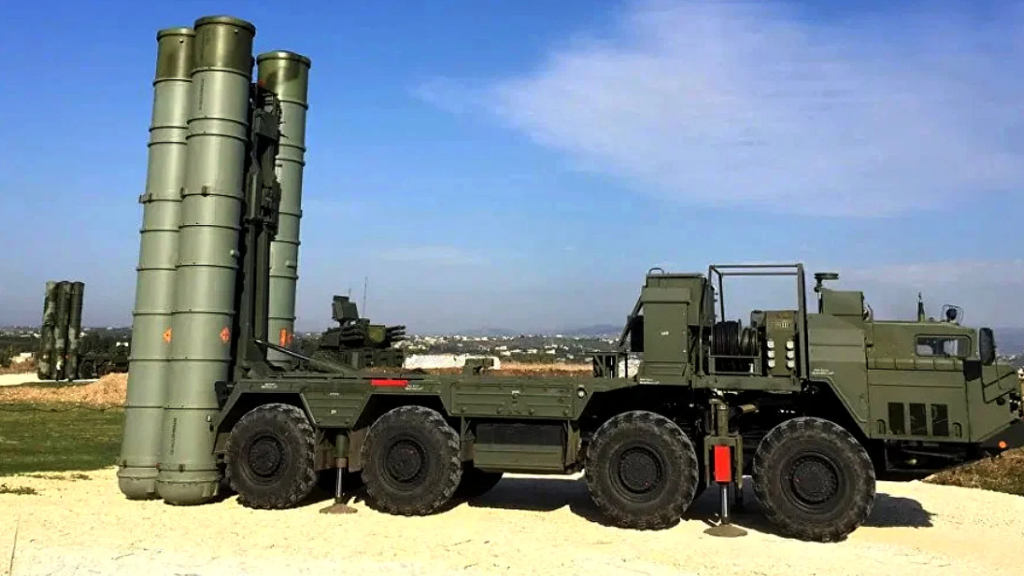
The reported agreement with Russia for advanced air defense equipment is being presented as a direct response to what Kabul views as Pakistan’s air superiority. Taliban officials are said to have concluded that continued vulnerability to Pakistan’s air force, particularly its F-16 fleet, weakens their political and military standing in the regional balance of power. With Western countries unlikely to provide such capabilities, Kabul has sought to align its security concerns with Moscow’s longstanding fears about the spread of cross-border militancy, including the threat posed by ISIS-K to Central Asia. According to the analysis, the Taliban offered security assurances in an effort to convince Russia that a better-defended Afghanistan would contribute to regional stability.
The security and logistics agreement, if fully implemented, could introduce a new dynamic along the Durand Line. Until now, Pakistan has largely retained the advantage of superior air power, enabling it to conduct cross-border operations with relatively low risk. The deployment of Russian radar systems and air defense assets could significantly increase the cost and risk of future air operations. Supporters of the agreement argue that it would strengthen Kabul’s position in managing border crises and allow it to negotiate with Islamabad from a more equal footing.
Another notable aspect of the agreement is its reported provision for military training. Modern Russian air defense and radar systems require highly specialized technical expertise, which many Taliban forces currently lack. As a result, the training component could potentially open the door to the presence of Russian military advisers in Afghanistan—an outcome that would carry significant symbolic weight given the history of Soviet involvement in the country. The move also reflects a broader shift in Kabul’s military doctrine, away from reliance on inherited Western equipment and toward a new strategic partnership with Moscow.
The development is likely to attract criticism from Washington, but proponents argue that Kabul has prioritized immediate security concerns over Western approval. Analysts view the initiative as part of the Taliban’s gradual transition from an insurgent movement to a governing authority focused on conventional state security, territorial defense, and military deterrence.
In conclusion, while Russian-supplied systems may not immediately make Afghan airspace fully secure, the agreement could mark the end of an era in which Afghanistan’s skies were effectively undefended. If realized, the arrangement may force Pakistan to reassess future military calculations and could signal the beginning of a new phase of deterrence along the Afghanistan-Pakistan border.
By Sayed Baqer Waezi | DID News Agency