Afghanistan Faces Growth–Poverty Paradox Amid Strong Macroeconomic Expansion
DID Press: Recent assessments by the World Bank and the United Nations indicate that Afghanistan is experiencing strong macroeconomic growth while simultaneously facing worsening poverty, declining purchasing power, and increasing living pressures.
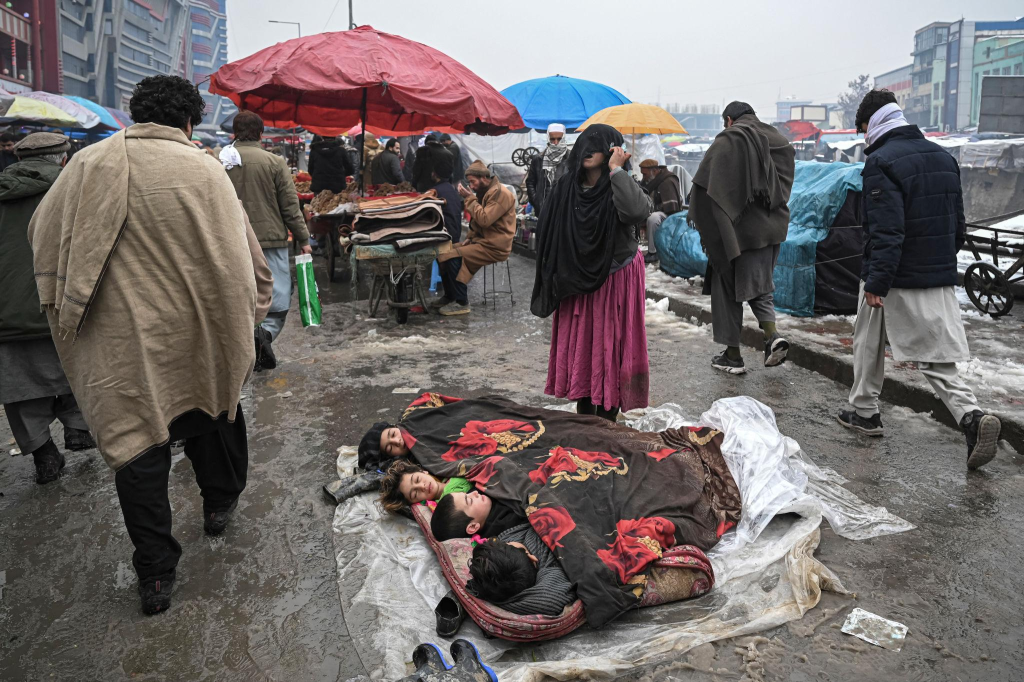
According to the report, Afghanistan’s economy recorded an estimated 8.4% growth rate in the current spring period, exceeding earlier projections. Domestic revenue collection has also increased; however, this macroeconomic expansion has not translated into improved household welfare.
Analysts describe the situation as a “growth without welfare” paradox, where aggregate economic indicators improve while living standards for ordinary citizens continue to deteriorate.
Key structural factors contributing to this gap include the large-scale return of migrants placing pressure on labor markets, inflation and reduced purchasing power in urban and rural areas, weak domestic and foreign investment, and climate-related disruptions affecting agriculture and food security.
The report also highlights Afghanistan’s increasing use of its transit geography as a strategic economic lever. Restrictions on trade routes have reportedly affected regional commerce, including a decline in Pakistan’s exports to Central Asia and a sharp drop in imports through these corridors.
At the same time, economic engagement between Afghanistan and Iran has expanded beyond consumer goods trade into infrastructure, mining, and joint investment projects, signaling deeper economic integration.
The report further notes Afghanistan’s participation in regional initiatives involving China, suggesting potential integration into broader connectivity and infrastructure corridors linking East and West Asia.