How a Leader Won Afghan Hearts
DID Press: A leader’s popularity among people beyond his country’s borders is not built through media campaigns, official statements or political slogans, but through years of decisions, conduct and positions during critical historical moments. From this perspective, the position of the Martyr leader of the Islamic Revolution, Ayatollah Seyyed Ali Khamenei, among parts of Afghan society and the wider Muslim world is a phenomenon that extends beyond formal relations between governments.
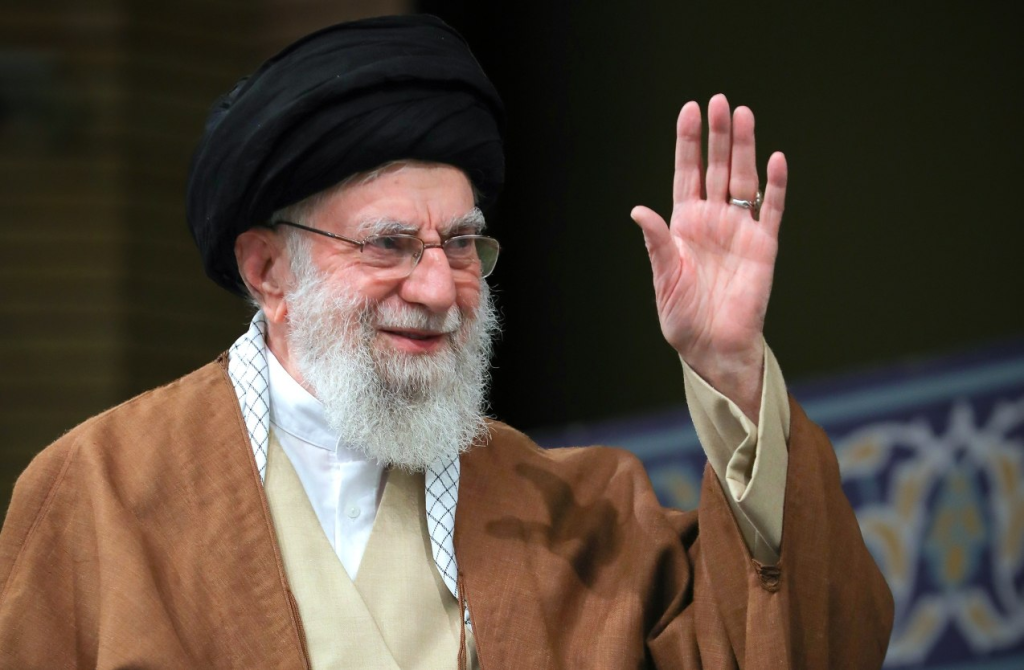
Iran and Afghanistan are connected not only by geography but also by deep historical, cultural, linguistic and religious ties. Within this context, supporters view Ayatollah Khamenei’s approach toward Afghanistan as a policy based on Islamic solidarity, support for Afghan people and opposition to foreign domination.
One of the main factors cited in shaping this perception has been humanitarian issues. Supporters point to Ayatollah Khamenei’s directive allowing Afghan children in Iran to attend schools regardless of residency status as a significant decision that enabled hundreds of thousands of Afghan children to access education.
His supporters also highlight his engagement with Afghan scholars, intellectuals and figures, saying such positions contributed to the image of a leader who viewed Afghanistan beyond political boundaries.
Another factor mentioned is his stance on Afghanistan’s political and security developments, particularly opposition to foreign military presence. Supporters argue that his positions emphasized Afghanistan’s independence and national sovereignty rather than ethnic or sectarian divisions.
Beyond Afghanistan, his confrontation with the United States and Israel and his role in supporting the so-called “Axis of Resistance” became a major element in how his supporters across the region viewed his legacy. They describe his positions as a symbol of resistance against foreign influence.
Following reports of his death, supporters say widespread mourning, condolence messages and memorial gatherings in different Afghan cities reflected his influence among sections of Afghan society.
Analysts who support this view argue that such influence should be examined through concepts such as soft power and cross-border social capital, rather than only through traditional political relations between states.
#We_Must_Rise
By Sayed Baqer Waezi – DID News Agency