Afghan Migrants Emerge as Skilled Workforce in Iran, Study Finds
DID Press: Afghan migrants in Iran have undergone a significant transformation over the past four decades, evolving from predominantly low-skilled laborers into an increasingly skilled workforce, according to researchers who say the shift is reshaping Iran’s labor market and creating new economic opportunities.
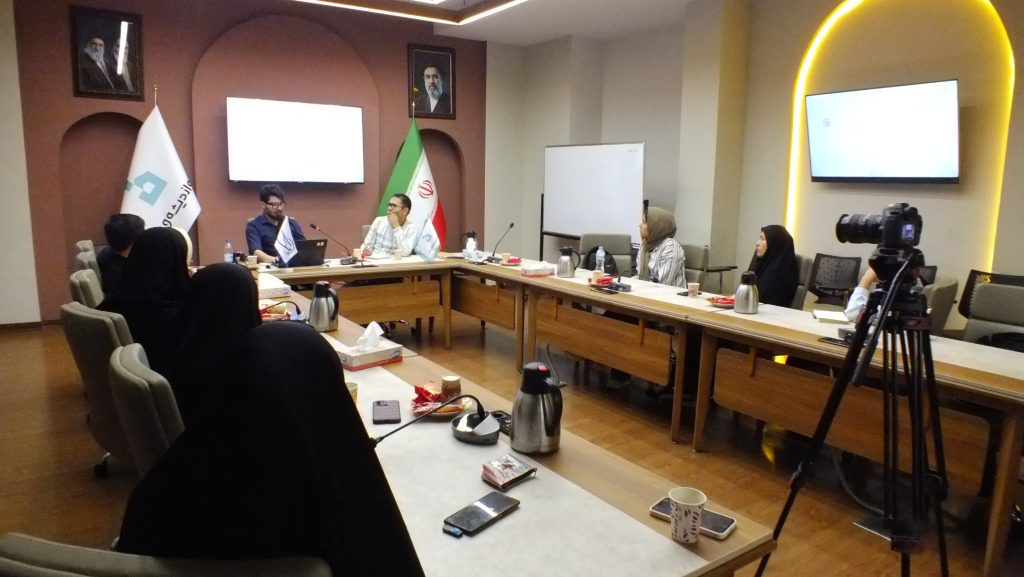
At the 32nd session of the “Status of Afghan Migrants in Iran” series in Tehran, labor economist Reza Bokaei presented findings based on official labor force data, arguing that the long-standing perception of Afghan migrants as merely “cheap, unskilled labor” no longer reflects reality.
Jafar Soltani, moderator of the event, said Iran’s growing demand for labor and Afghanistan’s prolonged economic and security challenges had naturally created a cross-border labor market over the past decades. He added that a new generation of Afghan migrants—educated in Iranian schools and universities—has increasingly entered skilled professions, representing what he described as an “unintended but valuable investment” in human capital.
Presenting data from the Statistical Center of Iran, Bokaei said the share of Afghan migrants employed as unskilled construction workers declined from around 40% in 2014 to below 25% in 2023. During the same period, the ratio of skilled workers rose significantly—from one skilled worker for every ten unskilled workers in 2013 to five skilled workers for every ten unskilled workers in 2023.
He also noted that Afghan migrants are now employed across a broader range of occupations, indicating deeper integration into Iran’s economy beyond traditional manual labor sectors. According to Bokaei, the relationship has been mutually beneficial, with Iran meeting labor shortages while Afghan workers gained skills and professional experience.
During the discussion, participants also highlighted legal barriers preventing long-term Afghan residents from fully participating in business activities, including restrictions on company ownership and board membership despite decades of work experience and professional qualifications. Bokaei stressed that greater legal clarity and predictable economic policies would be essential to better utilize the human capital developed within the Afghan migrant community.
Source: Data presented by labor economist Reza Bokaei at the 32nd “Status of Afghan Migrants in Iran” forum, based on statistics from the Statistical Center of Iran.