DID Press: European governments are fast-tracking contingency planning to strengthen the continent’s defense structure following threats by the United States to withdraw from the North Atlantic Treaty Organization, according to sources cited by The Wall Street Journal.
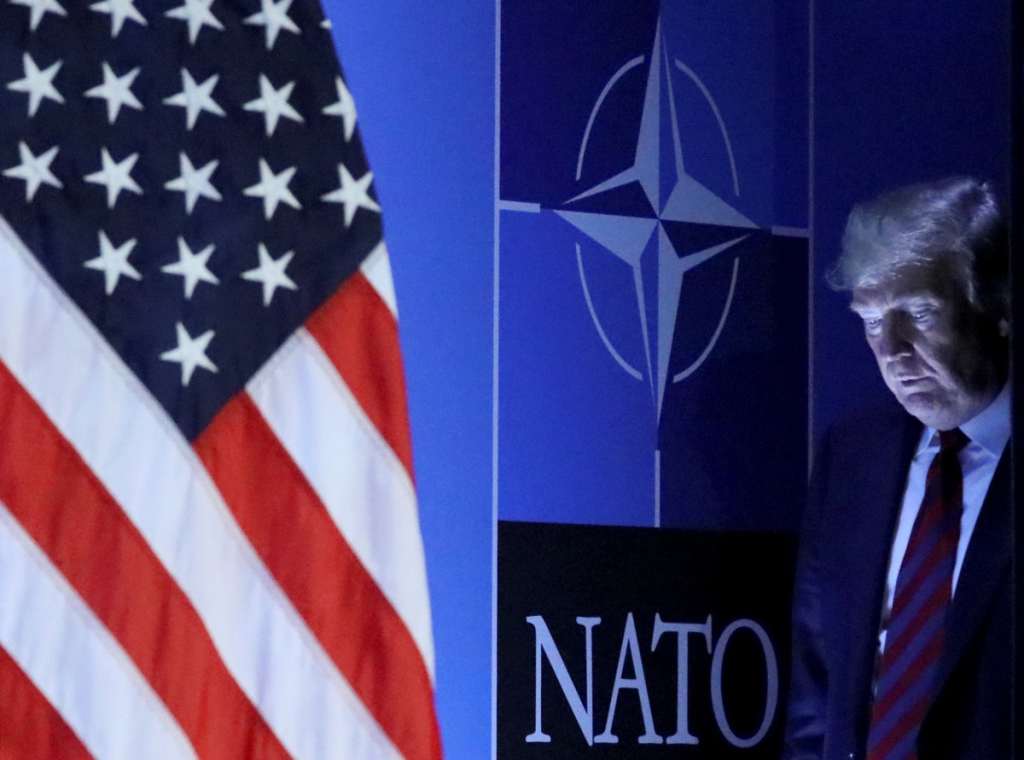
The initiative—informally described as a move toward a “European NATO”—aims to reduce reliance on Washington and ensure security across Europe in the event of diminished US participation or a full withdrawal from the alliance. The plan is reportedly backed by major NATO members including Germany, France, the United Kingdom, Poland, and Canada.
According to the report, the proposed framework focuses on expanding Europe’s role in command structures, air defense systems, logistics networks, and nuclear deterrence capabilities. Discussions are also underway about extending France’s nuclear umbrella to other European nations, particularly Germany.
The strategy includes joint defense projects such as the development of cruise and hypersonic missiles by Germany and the United Kingdom, forming part of a broader effort to modernize Europe’s military readiness.
Mark Rutte, Secretary General of NATO, emphasized that the alliance must increasingly rely on European leadership. The concept of filling a potential US security gap was first raised last year, reflecting growing concern among European leaders about Washington’s long-term reliability as a security partner.
France has previously advocated for the creation of a unified European army, an idea once resisted by Germany due to fears it could encourage a US withdrawal from NATO. However, sources close to Friedrich Merz suggest his position has shifted, with increasing skepticism about the dependability of the United States.
European officials acknowledge that replacing US capabilities—particularly in satellite intelligence, reconnaissance, and missile warning systems—would be difficult in the short term. As a result, governments are considering increased defense spending, expanded domestic arms production, and, in some cases, the revival of mandatory military service.
Alexander Stubb stated that Europe must be prepared to defend itself within the NATO framework, stressing that any transition toward greater European responsibility should be carefully managed.
Retired US Admiral James Foggo added that efforts to “Europeanize” NATO should have begun years earlier, noting that Europe has the capacity to assume a larger security role if investment in defense capabilities accelerates.
European leaders say they still prefer the United States to remain within NATO but are preparing for two scenarios simultaneously: a reduced American role or a complete withdrawal from the West’s most significant military alliance.