Taliban Face Criticism as Shia Parties Warn Over Property Seizure
DID Press: Two Afghan Shia political groups have criticized the Taliban over what they describe as growing religious and civil restrictions and warned against the seizure of properties, particularly the Omid Sabz Township in western Kabul.
The Supreme Council of the Islamic Movement of Afghanistan said in a statement that restrictions on religious practices, curbs on civil freedoms, the closure of educational centers and the seizure of citizens’ property constitute violations of Afghans’ rights.
The group called on the Taliban to immediately reconsider such measures and protect citizens’ rights and freedoms.The council said restrictions on religious beliefs, denial of civil freedoms, deprivation of education and the confiscation of people’s property are contrary to Islamic principles and justice.
It warned that ignoring public demands could further weaken Taliban rule and increase public discontent.The group called on the Taliban to return confiscated properties to their owners and guarantee religious freedoms. It also urged the United Nations, human rights organizations and media outlets to closely and impartially monitor the case of Omid Sabz Township.
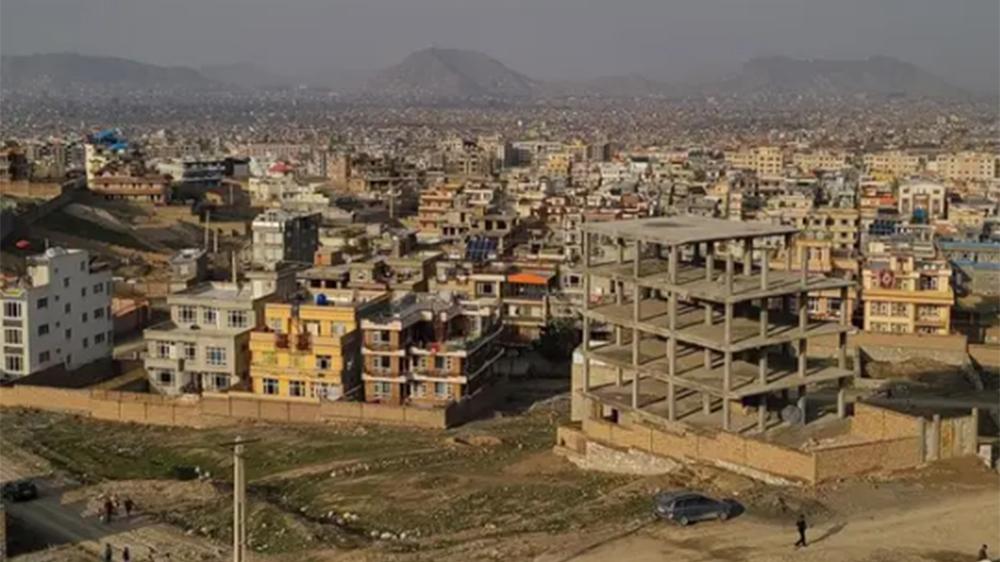
The statement followed a decision by the Taliban’s Ministry of Justice to declare Omid Sabz Township in western Kabul “state-owned” and order thousands of residents to vacate their homes by Thursday, August 6.
The People’s Islamic Unity Party of Afghanistan, led by Mohammad Mohaqiq, had previously accused the Taliban of intensifying discriminatory policies against Shia Muslims and Hazaras, warning that the continuation of such policies could have serious social and political consequences.
Mohammad Nabi Khalili, the owner of Omid Sabz Township, said in a statement that all stages of the development of the township had been carried out on the basis of valid Islamic deeds, official ownership documents and legal permits. He called for the case to be reviewed impartially and according to Islamic principles and fair-trial standards.
Khalili warned that a decision made without considering these principles would undermine public confidence in the Taliban’s judicial system.Representatives of the township’s residents have also traveled to Kandahar to seek a meeting with Taliban supreme leader Hibatullah Akhundzada and appeal against the forced eviction order.